
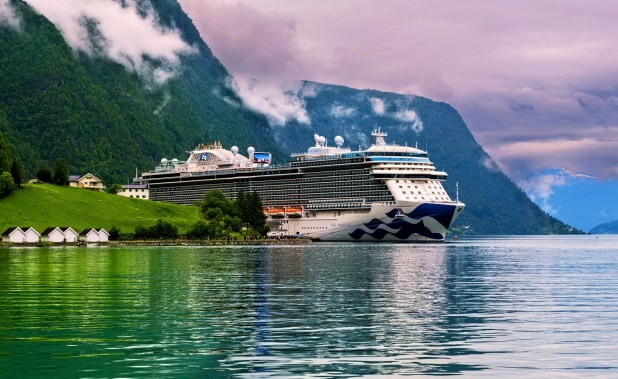
Cruising is known for luxury, adventure, and convenience, but not every route offers the same kind of immersion. Northern itineraries—those that trace the coastline of Alaska, the Pacific Northwest, Norway, and Iceland—invite travelers into a deeper relationship with the places they explore. The farther north ships sail, the more passengers discover that the sea is not just scenery; it is a lifeline for the communities who live along these shores.
On these journeys, guests are introduced to coastal cultures shaped by nature and tradition. While travelers may enjoy a meal featuring wild caught salmon on board by the third evening of their voyage, they soon realize that food is just one expression of a much bigger connection to land and sea. Northern cruises encourage a meaningful encounter with people who depend on the ocean for identity, heritage, and daily life.
In these regions, ports become more than stops on an itinerary—they are bridges between visitors and the communities that welcome them. Whether stepping into a historic fishing village carved into a fjord or joining a small-group cultural experience deep in Indigenous territory, travelers quickly feel the authenticity that northern cruising offers.
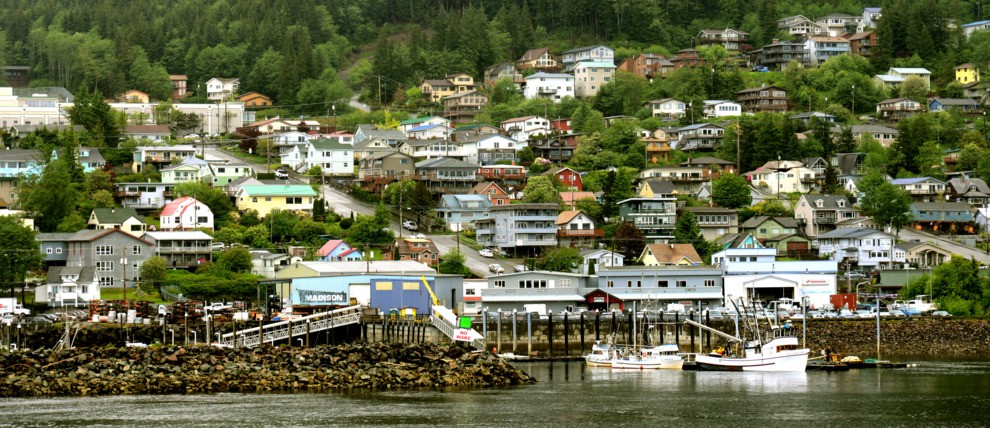
Coastal Communities Built on Tradition
Much of the northern world’s heritage is intertwined with the ocean. Generations of Indigenous families in Alaska and Western Canada practiced sustainable fishing, respected wildlife migration, and crafted art that celebrates water as spirit and provider. Cruise visitors may encounter carvers who create intricate totems or storytellers who share legends passed down for centuries.
Norway’s fjord-side towns tell their own tales through turf-roofed architecture, Viking history, and age-old maritime craftsmanship. In Iceland, green-roof cottages and geothermal bathing traditions reveal how life adapts to an environment both harsh and beautiful. These cultures remain vibrant not as museum pieces, but as living identities shaped by daily survival and community pride.
What makes northern routes special is how locals welcome travelers into that living world. Instead of being observers behind a glass window, passengers become participants, tasting flavors, learning customs, and supporting artisans whose livelihoods stem from regional heritage.

A Different Type of Shore Excursion
While tropical cruises often revolve around beach relaxation, northern excursions are rooted in storytelling. These immersive activities may include:
- Visiting Indigenous cultural centers in Alaska
- Learning traditional weaving or carving techniques
- Touring family-owned smokehouses or fishing operations
- Taking guided walks led by locals who describe how climate shapes their routines
- Joining wildlife interpreters who introduce travelers to coastal ecosystems
Cruise guests hear firsthand what makes the region special—and what challenges it faces. Conversations give context that no postcard could capture. The icy waters, towering fjords, and rugged cliffs are undeniably beautiful, but it is the voices of the people who call these landscapes home that give them deeper meaning.
Local Markets That Bring People Together
Northern towns often revolve around community marketplaces—small, welcoming spaces that reveal everyday life. Travelers strolling through these markets find handmade crafts, local preserves, traditional clothing, and art that highlights the connection between people and nature. Unlike large commercial hubs in warmer cruise regions, these markets often directly support families, preserving cultural skills and enabling younger generations to stay within their communities.
Local cuisine becomes a form of introduction. A sampling of berries that thrive in cold climates, smoked fish from a family smokehouse, or bread made from ancient grains creates a sensory memory tied to place. Travelers discover that the region’s most cherished foods are those that tell a deeper story.
Sustainability Rooted in Identity
Northern communities have long understood that survival requires respecting the environment. Many cultural excursions emphasize sustainable practices, from eco-focused fisheries to conservation programs that protect marine life. Guests learn why caring for the ocean isn’t just responsible—it’s essential to maintaining heritage.
Through these onboard programs, travelers learn how responsible harvesting supports coastal communities. So when they enjoy wild caught salmon during the voyage, the experience becomes more meaningful—representing the natural ecosystems and traditions they encountered earlier on shore.
Shared Experiences That Create Lasting Memories
Evenings aboard ship reflect the day’s discoveries. Travelers gather along railings to watch fishing boats returning to harbor. In the observation lounge, experts recount the legends of fjords and glaciers. Performers from local communities often come on board to share music and dance, creating emotional moments that stay with guests long after the journey ends.
These experiences foster a sense of gratitude—not only for spectacular views, but for the chance to witness cultures resiliently thriving at the edge of the world.
Cruises That Give Back
Many cruise lines now focus on developing long-term relationships with northern ports. That means:
- Partnering with locally owned tour operators
- Hiring regional performers and guides
- Encouraging the purchase of local goods
- Supporting marine conservation and cultural preservation programs
This mutual respect forms a network of shared benefits. Cruisers receive authentic experiences, while communities gain economic opportunity and recognition. It’s travel with meaningful impact.
A Journey That Connects Beyond the Itinerary
What sets northern cruising apart is the feeling it leaves behind. Travelers return home with deeper appreciation—of history, resilience, and the profound connection between people and sea. The memories aren’t limited to photographs of glaciers or dramatic coastlines; they include warm encounters, heartfelt stories, and newfound understanding.
Cruisers who head north don’t just explore destinations—they connect with them. And it’s that enduring sense of connection that makes passengers eager to return, to learn more, and to continue supporting the communities that welcomed them aboard their shores