
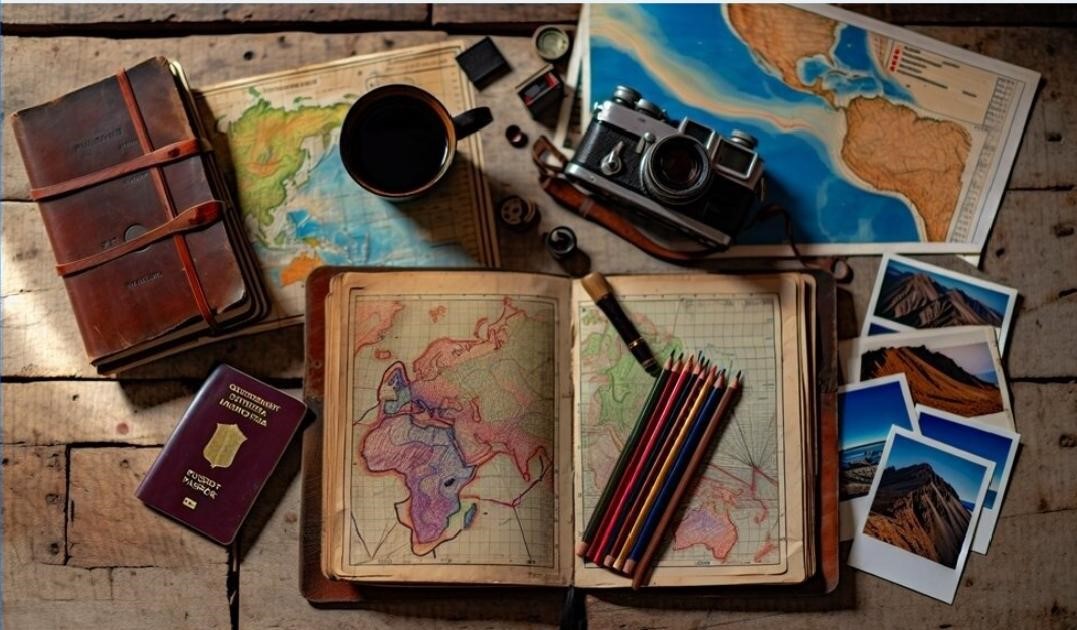
Crafting the ideal travel itinerary requires more than randomly selecting destinations from a guidebook. It demands careful consideration of personal preferences, realistic time management, and strategic planning that balances structure with spontaneity. While some travelers thrive on meticulous schedules, others prefer loose frameworks that allow for unexpected discoveries. The key lies in understanding which approach aligns with individual travel styles and goals. What separates forgettable trips from transformative journeys often comes down to how thoughtfully each element connects to create a cohesive experience.
Understanding the Importance of Well-Planned Travel Itineraries
A well-crafted travel itinerary transforms a vacation from a series of disconnected activities into a cohesive, enriching experience. Proper planning maximizes time efficiency, allowing travelers to see more destinations without feeling rushed or overwhelmed. It also provides financial benefits by enabling advance bookings at lower rates and preventing costly last-minute decisions.
Strategic itineraries balance structured activities with flexibility, accommodating unexpected discoveries while maintaining direction. They reduce stress by eliminating daily decision-making about logistics, dining, and attractions. Travelers can research ideal visiting times, avoiding crowds and unfavorable conditions.
Well-planned itineraries also enhance safety by identifying reliable accommodations, transportation options, and emergency contacts beforehand. They guarantee travelers don’t miss must-see attractions while discovering hidden gems. Ultimately, thorough preparation creates smoother journeys, deeper cultural immersion, and more memorable experiences.
How to Choose the Perfect Destination for Your Next Getaway
Choosing the ideal destination begins with honest self-reflection about travel preferences, budget constraints, and practical limitations. Travelers should evaluate whether they seek relaxation, adventure, cultural immersion, or culinary experiences. Climate preferences matter greatly, some thrive in tropical heat while others prefer temperate conditions.
Budget analysis determines realistic options, factoring in flights, accommodations, meals, and activities. Season timing affects both costs and experiences; peak seasons offer prime weather but higher prices and crowds, while off-season travel provides savings and authenticity. Practical considerations include visa requirements, language barriers, health precautions, and travel advisories.
Distance and time zone differences impact trip feasibility, especially for shorter getaways. Personal interests should align with destination strengths, beach lovers toward coastal areas, history enthusiasts toward ancient cities, and nature admirers toward national parks.
Boat Transportation Guide
Boat transportation offers travelers a scenic, efficient, and often budget-friendly way to move between coastal destinations, islands, and waterfront cities, making it an excellent addition to any travel itinerary. Whether using public ferries, water taxis, or private charters, travelers can enjoy smooth journeys with beautiful ocean views while avoiding road traffic and complex logistics. It’s important to check seasonal schedules and weather forecasts, as both can affect departure times and availability. By planning ahead and selecting the right option based on comfort, budget, and route flexibility, boat transportation can enhance your overall travel experience and add a memorable element to your trip.
Step-by-Step Guide to Building a Balanced and Flexible Itinerary
While spontaneity has its merits, effective trading requires a structured approach that balances market analysis with execution. Begin by researching assets using the metatrader 4 online platform and categorizing them by priority and volatility. Use the platform’s charting tools to map trends and minimize reaction time to market movements.
Allocate morning hours for popular venues before crowds arrive and reserve afternoons for immersive experiences like cooking classes or guided tours. Leave evenings unscheduled for spontaneous dining discoveries. Build buffer time between activities, typically 30–60 minutes, to account for delays and unexpected opportunities.
Group geographically proximate attractions on the same day to maximize efficiency. Create a master itinerary with firm bookings for time-sensitive activities, then develop a secondary list of flexible alternatives. This dual approach guarantees structure while permitting adjustments based on weather, energy levels, or serendipitous recommendations from locals..
Experiencing Luxury Travel: Exclusive Destinations and Premium Experiences
Once travelers master the fundamentals of itinerary construction, they may explore elevated travel experiences that redefine comfort and exclusivity. Luxury travel encompasses private island resorts, Michelin-starred dining experiences, and personalized concierge services that anticipate every need. Premium destinations include overwater villas in the Maldives, safari lodges in Tanzania’s Serengeti, and historic castle stays throughout Scotland. These locations offer seclusion, impeccable service, and authentic cultural immersion. Professionally curated luxury travel itineraries ensure that every detail, from private transfers to exclusive dining reservations, aligns perfectly with travelers’ personal preferences and expectations.
High-end experiences extend beyond accommodations. Private yacht charters, helicopter tours over glaciers, and after-hours museum visits create unforgettable moments. Many luxury providers arrange exclusive access to vineyards, artisan workshops, and archaeological sites typically closed to the public. Travelers should book through specialized luxury travel advisors who secure upgrades, arrange bespoke activities, and provide 24/7 support throughout their journey.
Must-Have Activities and Experiences for a Memorable Trip
Beyond accommodations and destinations, transformative travel emerges from carefully selected activities that engage the senses and create lasting memories. Culinary experiences rank among the most impactful, from cooking classes with local chefs to street food tours revealing authentic regional flavors. Adventure seekers should prioritize activities matching their skill level, whether hiking volcanic trails, snorkeling coral reefs, or zip-lining through rainforest canopies.
Cultural immersion through workshops, pottery making, traditional dance, or craft demonstrations, provides deeper understanding of local heritage. Early morning and sunset excursions capture destinations at their most stunning while avoiding crowds. Photography walks, wildlife encounters, and guided historical tours add educational value.
Wellness activities like sunrise yoga, spa treatments using indigenous techniques, or meditation sessions create restorative moments within busy itineraries.
Travel Tips: Managing Time, Budget, and Local Transportation
Strategic planning transforms well-intentioned travel dreams into smoothly executed journeys without financial strain or logistical frustration. Travelers should allocate time blocks for major attractions while preserving flexibility for spontaneous discoveries. Setting daily spending limits prevents budget overruns, with separate allocations for meals, activities, and emergencies.
Booking accommodations and transportation during off-peak periods yields considerable savings. Understanding local transit systems reduces costs markedly compared to taxis or rental cars. Many cities offer multi-day transit passes providing unlimited access to buses, trains, and trams. Mobile apps display real-time schedules and route planning, eliminating navigation confusion.
Advance research identifies free admission days at museums and discounted combination tickets for multiple attractions. Walking tours reveal neighborhood character while maintaining budget consciousness. Prioritizing experiences over material purchases creates lasting memories without depleting funds unnecessarily.
Personalizing Your Travel Itinerary to Match Your Interests and Travel Style
Generic itineraries rarely satisfy travelers whose passions and preferences vary widely from mainstream tourist expectations. Personalizing travel plans requires honest assessment of individual interests, energy levels, and preferred pace. Adventure seekers should prioritize activities like hiking, diving, or rock climbing, while culture enthusiasts might focus on museums, historical sites, and local performances.
Budget considerations directly influence itinerary choices. Luxury travelers can incorporate fine dining and premium accommodations, whereas budget-conscious explorers benefit from street food tours and hostels. Travel style matters equally, introverts may prefer quiet neighborhoods and nature reserves, while extroverts thrive in bustling markets and social venues.
Age and physical capabilities shape realistic planning. Families with children need playgrounds and shorter activities, while older travelers might emphasize comfortable transportation and accessible attractions, ensuring enjoyable experiences without overexertion.