
Water-based adventures offer a unique blend of excitement and tranquility. From kayaking along rushing rivers to sailing on open seas, the call of the water is irresistible. Yet, amid the thrill, preparation remains paramount. Proper planning ensures your journey is not only exhilarating but also safe, letting you embrace every wave and current with confidence.
In this guide, we explore essential strategies and tools to help you enjoy water-based escapades without unnecessary worry.
Understanding the Importance of Preparation
Before diving into any water activity, preparation is key. It goes beyond simply packing gear; it involves understanding conditions, planning for emergencies, and knowing your personal limits.
Weather can change in minutes, and water conditions can be unpredictable. Checking forecasts and tide charts allows you to make informed decisions. Even calm waters can present hidden dangers, such as strong undercurrents or sudden drops in depth. Knowing these variables in advance is the first step toward a secure adventure.
Physical readiness also plays a role. Strength, stamina, and swimming skills are not optional—they are crucial. Ensuring you can handle your chosen activity reduces fatigue and improves your overall experience.
Gear Up: The Right Equipment Matters
Proper equipment can make or break a water adventure. Safety should never take a back seat to style or convenience. Wearing a well-fitted life jacket, choosing the right paddles, and ensuring your vessel is in good condition all contribute to a smoother, safer journey.
Footwear, gloves, and protective clothing are often overlooked but provide comfort and prevent injuries. For example, neoprene shoes can protect your feet from sharp rocks, while gloves reduce strain during prolonged paddling.
Life Rafts: Safety That Saves Lives
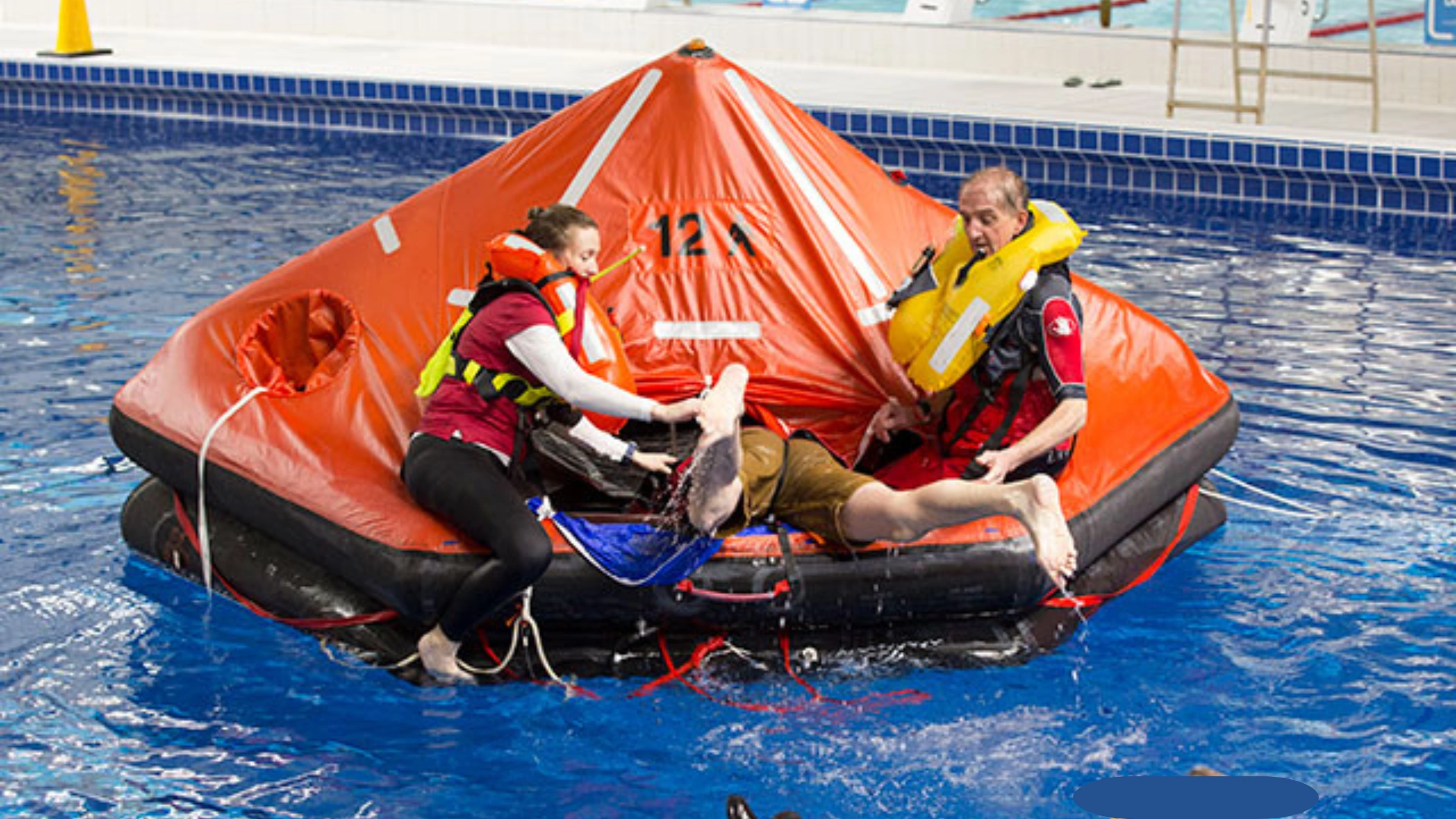
When venturing into larger bodies of water, life rafts are indispensable. They provide a secure refuge in emergencies, allowing you to stay afloat and protected until help arrives. Modern life rafts are designed with stability and visibility in mind, often featuring reflective materials, water-resistant compartments, and emergency kits.
Investing in quality equipment pays off. The best life rafts offer durability and reliability, giving adventurers peace of mind that, even if something goes wrong, they have a lifeline. Knowing your raft is ready and easy to deploy can be the difference between a stressful incident and a manageable situation.
Know the Rules: Navigation and Local Guidelines
Every water body has specific rules and guidelines, often set for safety and environmental protection. Familiarize yourself with local regulations regarding boating, swimming, and fishing. Awareness helps prevent accidents and avoids penalties.
Navigation tools are essential for larger excursions. GPS devices, maps, and compasses help you stay on course. Even on familiar waters, conditions can change, making navigation aids invaluable. A clear understanding of routes, exit points, and potential hazards ensures your adventure remains enjoyable.
Skills and Training: Building Confidence
Confidence in water-based activities comes from skills and experience. Training in swimming, first aid, and rescue techniques equips you to handle unexpected situations.
Practicing capsize drills, rope handling, and flotation techniques allows you to react instinctively in emergencies. Skills are most effective when paired with calm decision-making, which comes naturally with repeated exposure and preparation.
Packing Smart: Essentials for Any Adventure
A thoughtful packing strategy ensures comfort, safety, and convenience. Beyond gear, consider the following essentials:
- Hydration and nutrition: Staying energized and hydrated is crucial for performance and alertness.
- Communication devices: Waterproof phones or radios allow you to summon help if needed.
- First aid kits: Minor injuries can escalate quickly near water; a well-stocked kit is a must.
- Sun and weather protection: Sunscreen, hats, and quick-drying clothing prevent exposure-related issues.
Packing efficiently reduces stress and ensures you have what you need without overloading yourself.
Mental Preparedness: Staying Calm Under Pressure
Equally important as physical readiness is mental preparedness. Panic can exacerbate dangerous situations, while a calm, logical approach improves outcomes. Visualize potential challenges and how you would respond.
Adopting mindfulness techniques, like steady breathing and mental rehearsal, can help you maintain focus during stressful moments. Understanding that risks exist—and having a plan to manage them—fosters confidence and enjoyment.
Buddy System: Safety in Numbers
Going solo on water-based adventures can be tempting, but traveling with a partner or group adds a critical layer of safety. Partners can assist during emergencies, provide guidance, and share responsibilities.
Even experienced adventurers benefit from having someone to monitor conditions, track progress, and respond in case of accidents. Communication and trust are key; establish clear signals and check-ins before departure.
After the Adventure: Review and Reflect
Preparation does not end when you return to shore. Reflecting on your experience helps you improve future outings. Review what went well, what could be improved, and whether your gear and plans met expectations.
This process builds a knowledge base that enhances safety and enjoyment over time. Learning from mistakes and successes ensures your water-based escapades become progressively more thrilling and secure.
Conclusion
Thrilling water adventures don’t have to come with fear. With preparation, knowledge, and the right equipment, you can embrace every experience confidently. From understanding conditions to equipping yourself with the best life rafts, safety measures allow the excitement to shine through without compromise. The key is planning, practice, and awareness—essentials that transform any water-based escapade into an enjoyable and memorable journey.