
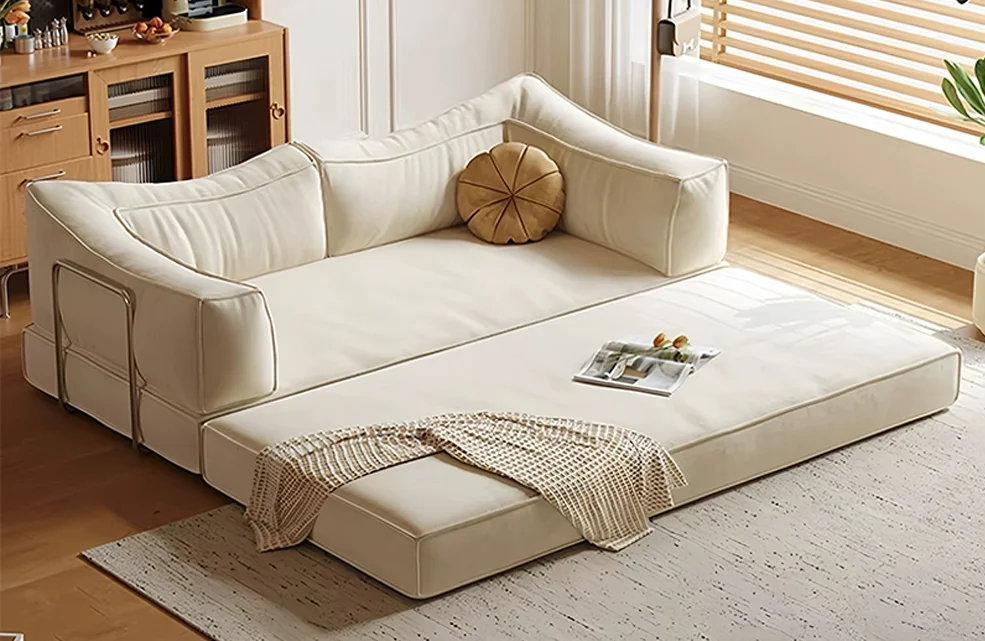
Space is expensive. You know this already if you’re living in a city apartment or trying to make a smaller home for your family’s needs. And here’s the thing, cramming an air mattress into the closet for occasional guests? That gets old fast.
Enter the sofa bed, that brilliant piece of furniture that refuses to choose between couch and sleeping spot. It does both. This guide walks you through the mechanics, the sizes, and the tricky decisions involved in picking one that actually makes sense for your situation.
What Is a Sofa Bed? Understanding the Basics
Here’s something interesting: research shows that 86% of consumers start their research online, so you’re already doing the smart thing by digging into guides like this one before making decisions.
The Core Design Philosophy
Here’s what makes a sofa bed tick: it merges two completely different functions into one furniture frame. You get regular couch vibes during daylight hours. Comfortable seating, normal appearance, nothing unusual. The whole conversion? It takes you maybe thirty seconds to two minutes depending on which type you’ve bought.
Gone are the days of those nightmare pull-outs that felt like sleeping on a torture device. Today’s versions pack memory foam mattresses, seriously reinforced internal frames, and upholstery that looks genuinely stylish instead of screaming “emergency bed” at anyone who walks in your door.
How They Differ From Regular Sofas
Your standard couch focuses entirely on lounging. Deep cushions, supportive backrests, all that comfortable stuff. But sofa beds? They need to hide sleeping mechanics and mattresses while still feeling decent to sit on. That means frames to handle repeated transformations and the weight of actual sleepers night after night.
Whether you’re furnishing a guest room, small apartment, or multi-use living area, a sofa bed gives you the freedom to host overnight visitors without sacrificing style or comfort. It comes in a range of designs, from compact pull-outs to spacious options that offer extra lounging room, similar to the comfort you get from a sleeper sofa with chaise.
By understanding the materials, mechanisms, and room layout required, you can confidently choose the right sofa bed that fits your daily needs while enhancing your home’s functionality.
Types of Sofa Beds: Complete Breakdown
The variety of types of sofa beds on the market can honestly feel paralyzing when you first start shopping. Let’s cut through the confusion and break down what’s actually out there.
Pull-Out Sofa Beds
The classic style. You’ve probably seen these before, mattress slides out from under the seat cushions. Remove cushions, find the handle (usually hidden underneath), and pull the whole frame forward toward you. These babies come in full, queen, or king sizing options. Really solid construction, generous sleeping space.
But here’s the catch: they demand clearance. We’re talking six to seven feet of open space extending from the front of your sofa.
Futons and Click-Clack Styles
Futons go from sitting to sleeping in one smooth motion. Just fold the back down flat and you’re done. Super lightweight, easy on the wallet, though comfort isn’t always their strongest feature, those thin mattresses can be rough. Click-clacks work on a similar principle but typically offer slightly better cushioning.
Both shine in tight quarters where pulling a bed away from the wall just isn’t happening. College students and first-apartment folks love them, and for good reason: affordable, portable, simple.
Daybeds and Sectional Options
Daybeds don’t really try to hide what they are. They look like beds with backrests, functioning openly as both. Work beautifully in rooms that serve multiple purposes. Some include trundle beds underneath for bonus sleeping capacity.
Sectional sleepers take that comfortable L-shaped sectional configuration and hide beds inside. Perfect for families wanting extra seating and occasional guest beds without sacrificing their living room setup.
Best Sofa Bed for Small Spaces: Compact Solutions
Hunting down the best sofa bed for small spaces means getting strategic about measurements and mechanisms.
Space-Saving Features That Matter
In tight living situations, inches matter more than you’d think. Target sofa beds with minimal depth when they’re in couch mode, somewhere around 35 to 38 inches is your sweet spot. Wall-hugging designs eliminate the need for space behind them, so you can shove them right up against walls.
Some contemporary models fold exclusively toward the front, completely removing the rear clearance requirement. Built-in storage underneath? That’s your secret weapon for stashing bedding and pillows.
Studio Apartment Strategies
Living in a studio means every piece of furniture needs to justify its footprint. A full-size sleeper gives you adequate sleeping real estate without the massive bulk of a queen. Think about futons or click-clacks that switch quickly, you won’t hate converting them if you’re doing it every single night.
Position your sofa bed strategically to create distinct “zones” within your studio, building visual separation between where you sleep and where you live.
Measuring Before You Buy
Measure twice, buy once. It’s not just something carpenters say to sound wise. Start with doorways, hallways, elevators, many sofa beds simply won’t squeeze through standard 32-inch doors even when they’re boxed up.
Measure the full extended length to confirm you’ve got clearance. Don’t forget about side tables, coffee tables, or other furniture that might block the path when you’re converting it. Pro tip: use painter’s tape to outline the footprint on your floor before committing any money.
How to Choose a Sofa Bed: Essential Decision Factors
Figuring out how to choose a sofa bed requires juggling multiple priorities at once.
Primary Use Considerations
Big question: is this your nightly bed or something for occasional guests? If you’re sleeping on it every night, invest properly. That means quality mattress thickness (minimum five inches) and seriously sturdy frame construction.
For guests-only situations, you can prioritize sitting comfort and aesthetics over sleeping perfection. Think about conversion frequency, daily use demands smooth, effortless mechanisms, while monthly conversions can tolerate slightly more complicated operations.
Budget and Value Planning
Entry-level sofa beds run about $500 to $800 and handle light use just fine. Mid-range territory ($1,000 to $2,000) brings better mattresses and more durable frame construction. Premium models climbing above $2,500 deliver top-tier comfort and build quality.
Recent market data shows that home furniture retailer stocks had mixed Q1 results, with revenues beating estimates by 2.9% on average. That market stability suggests quality options remain available across all price ranges.
Comfort Level Requirements
Test everything before buying. Sit for at least ten minutes straight, your back should feel genuinely supported, not just okay. If the store allows it, lie down on the extended bed and check for uncomfortable bars or sagging spots. Memory foam mattresses deliver pressure relief but can run hot during sleep. Innerspring provides traditional bounce and better airflow. Hybrid versions blend both technologies for balanced comfort.
Making Your Final Choice
Picking the right sofa bed doesn’t need to feel overwhelming when you zero in on your actual needs. Measure your space carefully, test comfort in person whenever possible, and be brutally honest about usage frequency. Whether you need a compact solution for a cramped apartment or a luxurious guest bed for frequent visitors, the right option exists.
Don’t cheap out if you’re using it regularly, your back deserves better than that. Start by listing your absolute must-haves, set a budget that makes sense, and remember this investment pulls double duty for years to come.
Common Questions About Sofa Beds
Are sofa beds actually comfortable to sleep on?
Modern sofa beds featuring quality mattresses (five inches thick or more) and proper support systems deliver comfortable sleep comparable to dedicated guest beds, though they rarely match the comfort of your primary mattress.
What’s the most comfortable type of sofa bed?
Pull-out sofa beds equipped with memory foam or hybrid mattresses typically provide the best sleeping comfort, while futons prioritize convenience over plushness for overnight rest.
How long do sofa beds typically last?
Quality sofa beds built with hardwood frames last anywhere from seven to fifteen years with decent care, though mechanisms might need maintenance and mattresses could require replacement after five to seven years.
Can you use a sofa bed as your primary bed?
Absolutely, but invest in a premium model featuring at least five-inch mattress thickness, reinforced frame construction, and easy conversion mechanisms you won’t dread operating daily.
What size sofa bed works best for two people?
Queen-size sofa beds (60 inches by 80 inches) provide comfortable sleeping space for couples, though king options deliver more room if your space can physically accommodate the larger footprint.