
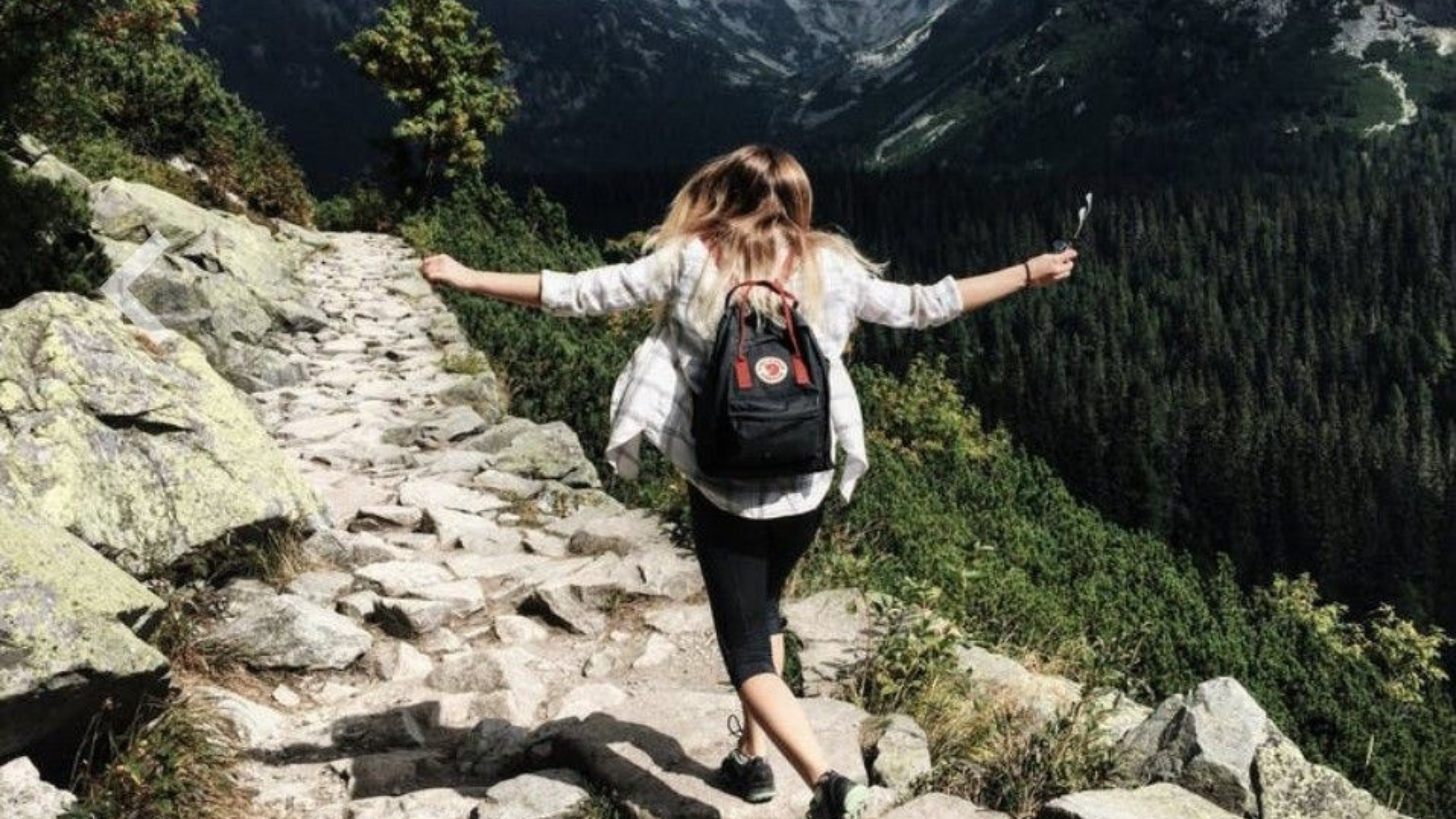
Ever come back from a trip and realize the best parts weren’t what you expected? Maybe it wasn’t the famous landmark or the five-star suite that stayed with you — it was the small, unplanned moments. The laughter was shared with strangers over dinner. The scent of spices floating through a quiet market. The calm that settles in when you’re completely disconnected from the noise of everyday life.
Those are the moments that linger long after your suitcase is unpacked.
We live in a world that celebrates destinations — the postcard spots, the “must-visit” lists, the perfect photos. But travel isn’t supposed to be about how many stamps you collect in your passport. It’s about how it makes you feel.
The Emotional Side of Travel
Travel has a funny way of shaking us up — in the best way. It snaps us out of routine and drops us into something new, where everything feels vivid and alive.
Think about it. The moments that stand out from your travels are rarely the ones that went according to plan. They’re the surprises — the quiet sunrise when everyone else was still asleep, the stranger who helped you find your way, the rush of gratitude when you realized how lucky you were to be right there, in that exact moment.
We travel for places, yes. But more than that, we travel for emotions — joy, wonder, calm, curiosity. Those feelings can’t be booked through an app or captured in a selfie. They show up when you slow down and actually notice what’s around you.
Because when you think back, it’s not the itinerary that sticks with you. It’s that deep, hard-to-describe feeling of being fully present — connected to the world, and to yourself.
Connection Is What Changes Everything
The most powerful journeys are the ones that leave you changed. They’re not just about seeing something new — they’re about feeling something real.
Maybe it’s the sense of peace you find sitting by the water, doing absolutely nothing. Or that spark of connection when someone halfway across the world tells you a story that sounds like your own.
Those moments of connection — to people, to place, to the present — are what turn travel into transformation.
That’s why more travelers are choosing a slower, more intentional way to explore. It’s less about checking boxes and more about soaking up the experience. Fewer destinations, more depth. Fewer distractions, more meaning.
Because honestly, that’s the real definition of luxury. Not extravagance — but presence.
Beyond Sightseeing: Learning to Be Present
There’s a big difference between seeing a place and experiencing it.
We’ve all been there — racing through a city with a camera, trying to capture everything before the day ends. But the magic of travel doesn’t live in your camera roll. It lives in the in-between moments — the ones you can’t stage or plan.
It’s in the sound of music floating through a street, the warmth of a meal shared, the way the light changes just before dusk. Those are the memories that actually stay.
Mindful travel isn’t about perfection. It’s about paying attention — noticing the texture of life wherever you are. When you give yourself permission to slow down, you start to experience places differently. You’re not just passing through — you’re part of it.
And that’s when travel really starts to mean something.
The Science of Why Feelings Last Longer Than Facts
Here’s something interesting: science says we remember emotions more vividly than facts.
You might forget the name of the little café you stumbled into, but you’ll never forget how it felt to sit there, sipping coffee while the world drifted by. That’s because emotional memories last longer — they’re stored differently in your brain.
Travel gives us those emotional anchors — the smells, the sounds, the sensations that bring a moment back to life years later. The feeling of warm air on your skin, the echo of laughter, the hush that falls when you watch something truly beautiful.
Those aren’t just memories. They’re proof that you were present, alive, and connected to something bigger than yourself.
Redefining Luxury: It’s About Meaning, Not Money
Once upon a time, luxury travel meant five-course dinners and gold-plated hotel suites. But these days, travelers are after something far more meaningful — space, quiet, and authenticity.
Luxury isn’t about what you have. It’s about how you feel.
It’s waking up without an alarm. It’s not rushing anywhere. It’s finding a moment of stillness and realizing that the world doesn’t need to be conquered — it just needs to be felt.
That’s why the idea of slow, experiential travel is catching on. People crave experiences that blend comfort with authenticity — the kind that let you connect deeply with a place instead of just passing through.
For example, a luxury dahabiya Nile cruise embodies this perfectly. It’s not a trip built around speed or spectacle. It’s a journey designed for stillness — for watching the world unfold at its natural rhythm while you sail through history, surrounded by beauty and calm. There’s no rush, no noise, just space to breathe and take it all in.
And that’s what true luxury looks like now — not excess, but essence.
How to Travel for the Feeling, Not the Destination?
So how do you travel in a way that stays with you long after the flight home? It’s simpler than it sounds.
1. Start with how you want to feel.
Before you pick a place, ask yourself what you’re craving. Do you want peace? Excitement? Connection? Once you know that, the right destination — or experience — will find you.
2. Slow it down.
You don’t have to see everything. Some of the most meaningful moments happen when you do less. Sit in a café. Wander aimlessly. Watch the sunset twice.
3. Talk to people.
Conversations with locals often become the most memorable part of a trip. Ask questions, listen, and let curiosity lead you.
4. Unplug a little.
You don’t need to capture every second. When you stop worrying about documenting the trip, you start living it.
5. Leave room for surprise.
The best stories come from unplanned detours. Let things unfold naturally. You never know which small moment will end up meaning the most.
When you travel this way, you stop being a tourist and start being a participant — someone who doesn’t just see the world, but feels it.
The Lasting Impact of Emotional Travel
The best trips don’t end when you get home. They stay with you, tucked into your senses and your memory.
Maybe it’s the way a certain smell brings you back instantly, or how a song reminds you of the road you took. Travel leaves its fingerprints on you — quiet reminders that you’ve lived, that you’ve felt something profound.
That’s what makes meaningful travel so powerful. It doesn’t fade like souvenirs do. It shapes the way you see everything — your world, your priorities, even yourself.
The truth is, the most beautiful journeys aren’t about escape. They’re about return — returning to curiosity, to awareness, to that wide-eyed wonder you had as a kid when the world still felt new.
The Journey That Stays With You
In the end, travel isn’t about chasing the next destination. It’s about the way those experiences change you — the lessons, the feelings, the memories that become part of who you are.
The map fades, the photos gather dust, but the emotions? They stay.
So, the next time you plan a trip, don’t just ask, “Where should I go?” Ask, “How do I want to feel?”
Because destinations are temporary. But the feeling of awe, of connection, of peace — that’s what lasts.
And maybe that’s the real destination we’re all chasing.