Understanding Your Bodily Response to Fluid Imbalances

Ever stood up from the couch and felt the room spin? Or struggled to pull off a ring that fit perfectly yesterday morning? They’re messages from your body about something fundamental going wrong with your hydration status.

Think of your internal water management system like the climate control in a luxury car, complex, precise, and absolutely essential for smooth operation. When things drift even slightly off course, you notice. The interesting part? Problems arise from both ends of the spectrum. Too little fluid causes issues. So does too much. 

Learning to spot fluid imbalance symptoms early gives you a major advantage in preventing minor annoyances from becoming medical emergencies.

The Science Behind Fluid Balance

Water management in your body makes a city’s infrastructure look simple by comparison. This goes way beyond “drink eight glasses a day” territory, we’re talking about exact mineral concentrations and volume regulation across multiple biological compartments.

What Happens Inside Your Body

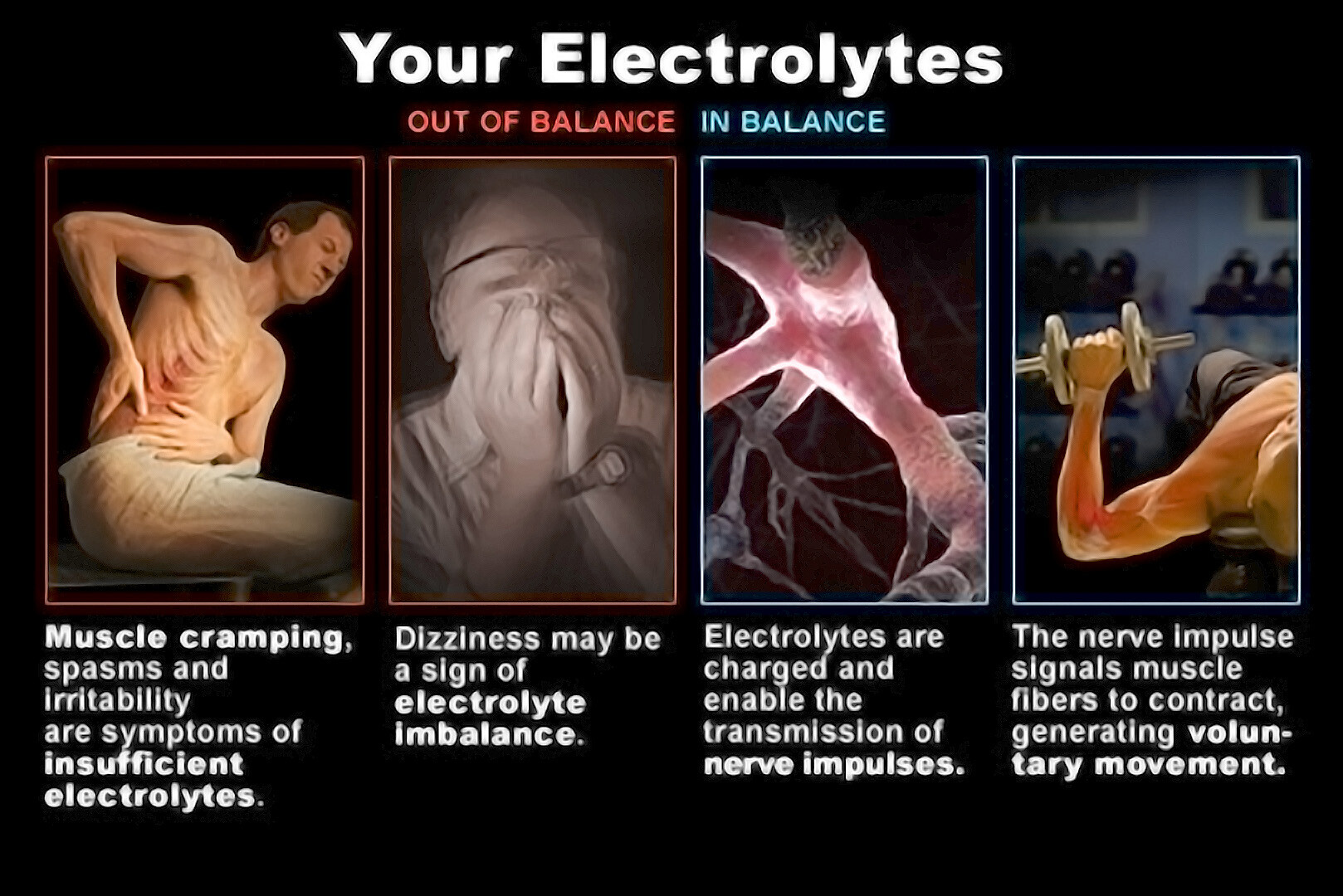
Water makes up roughly 60% of what you weigh. Electrolytes, sodium, potassium, chloride among others, function like border control agents. They determine where water can travel and where it stays put. 

When these minerals drift outside their normal ranges, water tags along with them, triggering cascading effects that touch everything from cognitive clarity to cardiac rhythm. Meanwhile, your kidneys never sleep. They continuously recalibrate how much fluid leaves your body based on intake, sweat loss, respiration, and numerous other daily processes.

Why Balance Matters

Fluid disruptions create consequences extending far beyond personal discomfort. The healthcare system feels the impact too. Scientific investigations reveal that fluid overload correlates with extended hospital stays and elevated costs.

When your fluids drop too low, your body shifts into protective mode, blood vessels tighten, your heart works harder, and your system tries to conserve every drop. This is where people often begin to wonder, can dehydration cause high blood pressure, because that tightening effect can briefly push your numbers higher as your body struggles to maintain circulation. 

Grasping these internal mechanics is valuable, but identifying when your precision system malfunctions? That’s where practical knowledge becomes lifesaving.

Recognizing the Warning Signs

Your body basically shouts at you when fluid levels veer too far either direction. The trick is learning the language it’s speaking.

When Your Body Needs Water

The signs of dehydration and overhydration look completely different from each other. Dehydration tends to announce itself more obviously. Your mouth gets that parched, sticky sensation. Urine shifts toward darker yellow or even amber territory. Headaches arrive uninvited, bringing fatigue that makes ordinary activities feel like marathons. Push further into dehydration territory and dizziness strikes, particularly during position changes. Your pulse rate climbs noticeably higher than usual.

Here’s something most people miss: fluid loss creates surprising effects on blood circulation patterns. Reduced water means decreased blood volume. Your heart compensates by pumping harder while blood vessels constrict to maintain pressure. This brings up a question patients frequently ask their doctors:can dehydration cause high blood pressure? Absolutely it can. Dehydration activates compensatory responses that temporarily spike blood pressure as your system fights to preserve adequate circulation to critical organs.

Too Much of a Good Thing

Overhydration operates more stealthily than its counterpart. Nausea appears without obvious cause. Swelling shows up in hands, feet, or around ankle areas. Headaches persist stubbornly. Mental fog rolls in unexpectedly. Severe overhydration dilutes sodium concentrations in blood, creating a condition called hyponatremia. Left unaddressed, this progresses to confusion, muscle weakness, potentially even seizures.

Body System Signals

Various systems react uniquely to hydration problems. Muscles cramp without warning, especially mid-workout. Joints feel stiff or achy despite proper rest. Your digestive tract joins the conversation, dehydration frequently brings constipation, while excess fluid might trigger bloating and abdominal discomfort. Even skin texture changes, with elasticity and appearance shifting based on hydration status.

Recognizing symptoms gives you defensive capability, but understanding root causes? That’s how you prevent problems before they materialize.

Understanding the Triggers

The effects of fluid imbalance on the body originate from lifestyle patterns, environmental exposures, and medical conditions that throw your natural equilibrium into chaos.

Daily Habits That Affect Balance

High temperatures and vigorous workouts accelerate fluid loss through perspiration. A challenging training session or afternoon working outdoors in summer might cost you multiple liters. Climate control systems (heating and AC) quietly steal moisture from your body by creating arid indoor atmospheres. Your morning coffee and evening wine increase urinary output, potentially pushing you toward dehydration unless you’re consciously replacing those losses. Even travel affects hydration, airplane cabins contain remarkably little humidity.

Medical Factors

Specific health conditions complicate the balancing act. Diabetes increases bathroom trips, elevating dehydration vulnerability. Kidney disease hampers your body’s regulatory capabilities. Heart failure can trigger fluid accumulation, leading to dangerous retention. Certain pharmaceuticals, diuretics and antihypertensive medications particularly, deliberately alter fluid dynamics and demand vigilant monitoring. The research presents sobering statistics: mortality rates reached 11.7% among pediatric intensive care unit patients experiencing fluid overload (pubmed.ncbi.nlm.nih.gov/39278783). That underscores just how serious severe imbalances become.

Now that you understand causative factors accurately, let’s explore targeted approaches for safely restoring equilibrium.

Getting Back on Track

Addressing fluid imbalances demands awareness paired with consistent action. Good news? Most individuals can effectively manage hydration through straightforward monitoring and adjustment techniques.

Practical Monitoring Methods

Mastering how to recognize fluid imbalance begins with noticing basic indicators your body provides constantly. Monitor urine color throughout your day, pale yellow suggests adequate hydration while dark amber screams for more fluids. Step on the scale at the same time each morning. Rapid gains of multiple pounds might flag fluid retention; losses suggest dehydration. Try the skin pinch test for immediate feedback. Pinch the skin on your hand’s back and release it. Immediate snapback typically indicates good hydration. Slow return suggests dehydration.

Smart Hydration Strategies

Maintaining proper body fluid balance doesn’t require obsessive glass-counting. Build consistent habits instead. Drink water alongside every meal. Keep a filled bottle within arm’s reach all day. During exercise or heat exposure, increase consumption before thirst appears, by the time you feel thirsty, you’re already behind. 

Consider electrolyte-enhanced beverages during extended high-intensity activity exceeding an hour. Incorporate water-dense foods: cucumbers, watermelon, oranges. These contribute to hydration while delivering nutritional benefits. If retention becomes problematic, collaborate with your physician on appropriate sodium levels and potential medication modifications.

These fundamentals work well for most people, though specific populations face distinct hydration obstacles requiring customized solutions.

Taking Charge of Your Fluid Health

Your fluid regulation system operates continuously behind the curtain, but it requires your conscious participation to perform optimally. You’ve gained practical insights covering everything from early warning indicators like urine color shifts and energy fluctuations to understanding how dehydration influences blood pressure and additional vital functions. 

Remember that optimal balance varies dramatically between individuals based on activity patterns, climate exposure, and underlying health conditions. Listen when your body communicates. Track fundamental indicators regularly. Seek professional medical guidance whenever symptoms persist or intensify. Small daily practices create the most significant long-term impact on keeping your internal hydration machinery running flawlessly for decades ahead.

Questions You Might Have

Does coffee really dehydrate you?

Coffee produces mild diuretic effects initially, but habitual consumption builds tolerance. Moderate coffee drinking actually contributes to daily fluid requirements. That said, exclusively relying on caffeinated drinks isn’t optimal since plain water remains your body’s preferred hydration source for peak performance.

How quickly can dehydration become dangerous?

Severity varies based on environmental conditions and individual characteristics. Under extreme heat or during intense physical exertion, dangerous dehydration can develop within mere hours. Elderly people and young children face amplified risks. Severe manifestations, confusion, racing heartbeat, urination cessation, demand immediate medical intervention.

Can drinking too much water actually harm you?

Definitely, though it happens less frequently than dehydration. Excessive water consumption dilutes blood sodium concentrations, producing hyponatremia. This typically occurs when people consume multiple liters within compressed timeframes, particularly during endurance competitions. Balance trumps maximization every time.
The Silent Fire: Is Chronic Inflammation the Real Reason You Look Older?

For decades, the narrative of aging has been simple: it is a battle against gravity and time. We assumed that wrinkles, sagging, and dullness were the inevitable result of birthdays piling up. But emerging research in the field of longevity and dermatology suggests that time is not the primary enemy. The real culprit is a biological process happening quietly beneath the surface of your skin every single day.

Scientists call it “Inflammaging.”

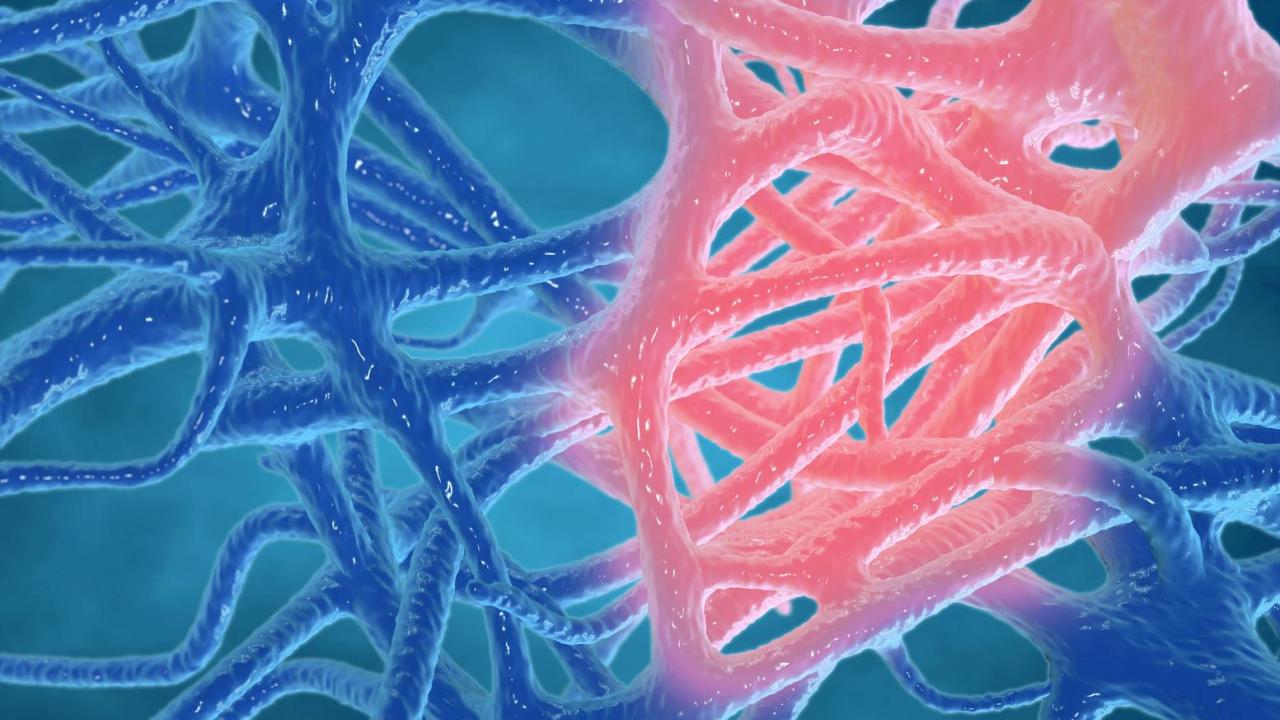
It is a portmanteau of “inflammation” and “aging,” and it describes a chronic, low-grade, asymptomatic inflammation that acts like a slow-burning fire, gradually consuming the structural integrity of the skin. If you feel like you are aging faster than you should—despite staying out of the sun and drinking water—this silent fire might be the reason why.

The Mechanics of the Burn

To understand Inflammaging, we have to distinguish it from the “good” kind of inflammation. Acute inflammation is helpful; it’s the redness and swelling that happens when you cut your finger. It is the body’s emergency repair crew rushing to the scene to fight bacteria and knit tissue back together. Once the job is done, the crew leaves.

Inflammaging is different. It is the result of the immune system being constantly triggered but never fully resolving the threat. This can be caused by pollution, psychological stress, lack of sleep, poor diet, or even aggressive skincare habits.

When the skin is in this state of chronic alert, it releases enzymes called Matrix Metalloproteinases (MMPs). In a healthy system, MMPs are useful for recycling old tissue. But when overproduced due to inflammation, they become destructive. They start munching on healthy collagen and elastin fibers as if they were waste.

Essentially, your body’s defense system becomes confused and starts attacking the very scaffolding that keeps your face firm.

The Cortisol Connection

This process is inextricably linked to stress. We often joke that a stressful job gives us gray hairs, but the biology backs it up. When we are stressed, our bodies release cortisol.

Cortisol is catastrophic for the skin barrier. It inhibits the production of Hyaluronic Acid (the skin’s natural moisturizer) and weakens the lipid barrier. A weak barrier lets in more irritants (pollution, allergens, UV radiation), which triggers more inflammation, which releases more collagen-eating enzymes. It is a vicious feedback loop.

This is why “stress face” is real. It isn’t just a tired expression; it is the physical degradation of the dermis caused by a chemical cascade.

The “Burn and Peel” Paradox

Ironically, in our quest to look younger, many of us are fueling the fire. The “no pain, no gain” era of skincare—characterized by high-percentage acid peels, aggressive scrubbing, and overuse of retinol—often induces the very inflammation we are trying to avoid.

If you are constantly stripping your skin barrier in the name of “glow,” you are forcing the skin into a state of chronic repair. Over time, this exhausts the cells’ regenerative capacity (a phenomenon known as the Hayflick limit). By attacking the skin to make it look youthful today, you may be accelerating its aging for tomorrow.

Putting Out the Fire

So, if the enemy is fire, the solution is water. The new paradigm of anti-aging is not about aggression; it is about sedation.

The goal is to calm the skin’s immune response so that it stops producing those destructive enzymes. This requires a shift in ingredients. While stimulating ingredients (like Retinol) are still valuable, they must be balanced with potent anti-inflammatories.

  • Niacinamide: A master of calming. It strengthens the barrier and tells the cells to relax.
  • Centella Asiatica (Cica): An ancient herb that drastically reduces inflammatory signals.
  • Peptides: Specifically, signaling peptides that mimic the body’s natural repair codes without triggering trauma.
  • Antioxidants: These are the fire extinguishers. They neutralize the free radicals (sparks) before they can start the inflammatory fire.

Conclusion: A New Philosophy of Youth

This understanding changes how we shop for skincare. Instead of looking for products that promise to “erase” or “attack,” we should look for products that promise to “defend” and “soothe.”

A healthy skin barrier is a calm skin barrier. And a calm skin barrier is one that holds onto its collagen for decades longer.

The future of longevity isn’t about freezing time; it’s about cooling down the biology. By incorporating sophisticated, barrier-supporting youth enhancing serums & creams into your routine, you aren’t just moisturizing; you are actively negotiating a peace treaty with your own immune system. You are telling your skin that the war is over, the fire is out, and it is safe to rebuild.

First Aid for Animal Bites and Scratches: Staying Safe from Infection

Animal bites and scratches are more common than most people realize. From playful pets to startled wild animals, such encounters can lead to injuries that range from minor surface scratches to deep wounds requiring medical attention. While many of these injuries occur at home, especially with familiar animals, even small wounds can become serious if not treated properly. Understanding how to respond quickly and safely helps prevent infection, tissue damage, and long-term complications.

Understanding the Risks

Animal bites and scratches introduce bacteria into the body, creating a risk of infection. Dogs and cats have bacteria in their mouths that can easily enter through broken skin. In rare cases, bites can transmit serious diseases such as rabies or tetanus. Wild animals—including raccoons, bats, or rodents—pose a higher risk of carrying infections that require urgent medical evaluation. Even minor injuries should never be ignored, as the initial wound may appear harmless but can worsen over time if untreated.

Immediate Steps After an Animal Bite or Scratch

If bitten or scratched, acting fast is key to preventing infection and other complications:

  1. Stay calm and assess the situation. Make sure the animal is secured or has moved away to avoid further harm.
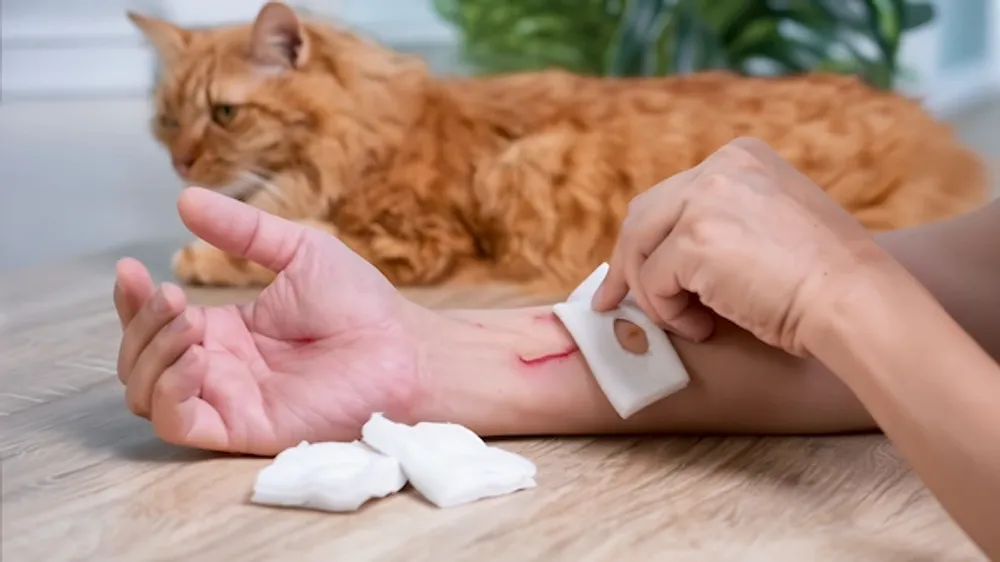
  2. Clean the wound thoroughly. Use mild soap and warm running water for at least five minutes to flush out bacteria and debris.
  3. Stop the bleeding. Apply gentle pressure with a clean cloth or sterile gauze until bleeding subsides.
  4. Apply an antiseptic. Use an over-the-counter antiseptic or iodine solution to disinfect the wound.
  5. Cover the wound. Protect it with a sterile bandage or dressing to prevent contamination.

If the wound is deep, bleeding heavily, or caused by a wild animal, seek medical help immediately. Doctors may recommend a tetanus booster or, in certain cases, rabies post-exposure vaccination.

When to Seek Medical Attention

Not all animal bites or scratches require emergency care, but some conditions should never be taken lightly. Contact a healthcare professional if:

  • The wound is deep, large, or won’t stop bleeding.
  • The skin around the injury becomes red, swollen, or warm.
  • Pus, drainage, or a bad odor develops.
  • You experience fever, fatigue, or swollen lymph nodes.
  • The animal was stray, wild, or acting strangely.

Even if the bite appears minor, early medical evaluation ensures proper cleaning, antibiotics if needed, and vaccination updates.

Preventing Infection

Infection is the biggest risk following an animal bite or scratch. Keeping the wound clean and covered is crucial. Change the bandage at least once a day or whenever it becomes wet or dirty. Watch for signs of infection such as redness, swelling, pain, or discharge. Avoid touching the wound unnecessarily, and never attempt to close a deep bite with adhesive strips or glue—doing so can trap bacteria inside.

Those trained in proper first aid procedures are more likely to handle such injuries confidently and safely. Programs like first aid training Toronto teach how to assess bite wounds, stop bleeding effectively, and reduce infection risk through proper cleaning and wound management techniques.

Special Considerations for Children and the Elderly

Children are the most frequent victims of animal bites, often due to curiosity or unintentional provocation. They may not fully understand animal behavior, leading to risky interactions. Parents should teach kids to approach animals gently, avoid touching unknown pets, and never disturb animals while eating or sleeping.

Elderly individuals also face greater risk because of thinner skin and slower healing. Their immune systems may not fight infection as efficiently, so they should seek medical attention promptly even for minor bites or scratches.

Handling Pet-Related Incidents

Most bites and scratches occur from household pets. Dogs may bite when frightened, startled, or protecting territory, while cats can scratch during play or if restrained. Owners should learn to recognize warning signs like growling, hissing, or raised fur and respect the animal’s boundaries. Regular veterinary checkups, vaccinations, and socialization reduce aggressive behavior and the spread of infections.

If your pet bites or scratches someone else, remain calm and assist the injured person with first aid. Provide information about your pet’s vaccination history, particularly rabies shots. Responsible pet ownership and awareness prevent most incidents before they happen.

Wild Animal Encounters

Wild animal bites require immediate medical evaluation, regardless of how small the injury appears. Rabies, though rare, is almost always fatal once symptoms appear, making post-exposure treatment essential. Never attempt to capture or kill the animal—contact animal control or public health authorities instead. Report the incident promptly to ensure proper tracking and testing procedures are followed.

If you spend time outdoors—hiking, camping, or gardening—wear protective clothing and stay alert for animals showing unusual behavior, such as aggression or lack of fear of humans.

Emotional Impact and Recovery

Being bitten or attacked by an animal can be emotionally distressing, especially for children. Fear, anxiety, or avoidance of pets may develop afterward. Offering reassurance, answering questions, and allowing time for recovery are important steps in emotional healing. For more severe incidents, counseling may help restore confidence and reduce trauma.

Prevention Is Always Better

Preventing bites and scratches is far easier than treating them. Teach family members how to behave around animals, avoid unknown pets, and respect warning signals. Keep vaccinations—both human and animal—up to date. Supervise young children when interacting with pets and ensure proper hygiene after handling animals. By combining awareness, education, and preparedness, families can minimize risks while maintaining positive, safe relationships with pets.

Conclusion

Animal bites and scratches may seem like minor injuries, but they carry real risks if ignored or mishandled. Prompt cleaning, careful monitoring, and proper first aid can prevent infection and more serious complications. Recognizing when to seek medical help ensures wounds heal safely and effectively.

With basic safety knowledge and structured first aid training, anyone can respond calmly and correctly to these common incidents. Preparedness not only protects health but also builds confidence in handling unexpected situations involving animals—at home, outdoors, or anywhere life takes you.