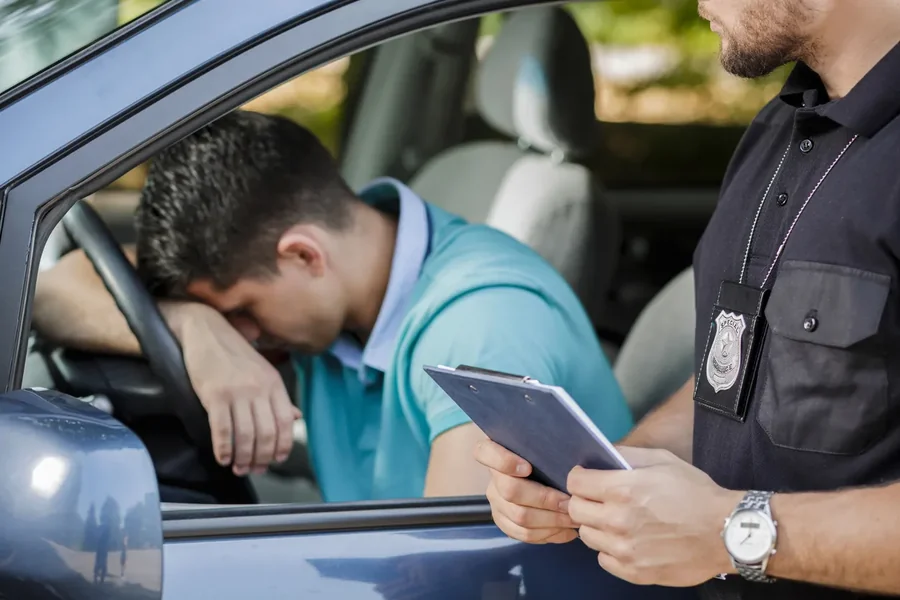
Kansas City Speeding Ticket Lawyer: What Happens If You Contest a Ticket

You’re driving through Kansas City. Traffic feels light. Then the lights flash. Your stomach drops. You already know what’s coming. A speeding ticket. Now comes the big question. Do you just pay for it? Or do you fight it? A lot of people think contesting a ticket sounds dramatic or risky. It’s not. It’s a legal right. And sometimes, it’s the smart move. Let me explain what really happens when you contest a speeding ticket in Kansas City, Missouri—and why having a lawyer can change the outcome.

That Moment After the Ticket Hits Your Hand

When the officer hands you the ticket, the case starts. Not when you pay it. Not when you show up in court. Right then. The ticket lists the charge, the speed, and the court date. It also locks in the officer’s version of events. If you pay the ticket, that’s the end. You plead guilty. Points hit your license. Insurance often jumps. Contest the ticket, and the story stays open.

What “Contesting” a Ticket Actually Means

Contesting a ticket means you plead not guilty. You ask the court to prove the charge. That’s it.

You’re not accusing the officer of lying.
You’re not making a speech.
You’re saying, “Show me the proof.”

And yes, the state must prove it. They need to show:

  • The speed was accurate
  • The stop was legal
  • The officer followed proper steps

If any part falls apart, the case weakens.

Your First Step: Entering a Not Guilty Plea

In Kansas City, you contest a ticket by entering a not guilty plea. This can happen in person or through an attorney.

Once that plea is entered:

  • The court sets a new date
  • The officer is notified
  • Evidence becomes fair game

This phase matters more than people think. Deadlines apply. Paperwork matters. Miss one step, and things get messy. That’s where a local lawyer helps keep control.

What Happens Before You Ever See a Judge

Here’s the thing most drivers don’t expect. Many cases end before trial.

Why?

Officers rotate shifts. Paperwork gets thin. Prosecutors handle stacks of cases.

A lawyer reviews:

  • Radar or laser records
  • Officer training logs
  • Dash cam or body cam footage

Sometimes the state offers a deal. Reduced charge. No points. Lower fine. Other times, the case moves forward.

The Court Day: Less Drama Than TV Shows

The court isn’t loud or flashy. It’s calm. Structured. If you contest the ticket, the officer must appear. They testify. Your lawyer questions them. This is where details matter.

Was the radar calibrated that day?
Was traffic heavy?
Was your car clearly identified?

Small gaps create big doubts. Judges notice.

The Risks: Let’s Be Honest

Contesting a ticket isn’t risk-free.

If you lose:

  • You may pay the same fine
  • Points may still apply
  • Court costs can add up

But here’s the mild contradiction. Even when drivers lose, outcomes often soften. Charges get reduced. Points drop. Insurance damage shrinks. So yes, risk exists. But it’s often managed.

Why a Lawyer Shifts the Odds

You can contest a ticket alone. Many do. But traffic law has its own rhythm. Local rules. Local habits.

A Kansas City lawyer knows:

  • Which arguments work
  • Which judges expect what
  • How prosecutors negotiate

Speeding Ticket KC handles these cases every day. Not once in a while. Every day. They speak the language of traffic court. That alone can change tone and outcome. You can learn more from a trusted Kansas City traffic defense lawyer who knows the local system inside out.

Local Rules Matter More Than You Think

Kansas City courts follow Missouri law. But local practice fills the gaps. One court might allow easy continuances. Another won’t. Some judges lean strictly. Others lean practical. A local firm like Speeding Ticket KC doesn’t guess. They know. That saves time. And stress.

When Contesting a Ticket Makes Sense

You don’t need to fight every ticket. That’s true.

Contest when:

  • Your speed feels wrong
  • The road signs were unclear
  • Points would hurt your job
  • Insurance hikes would sting

Commercial drivers feel this most. So do new drivers. And parents watching premiums climb. Sometimes, contesting is about the long game.

The Emotional Side People Don’t Talk About

Tickets feel personal. They mess with your sense of control. Honestly, that stress matters. Letting a Kansas City DUI lawyer handle it lifts weight off your shoulders. No guessing. No court confusion. Just a plan.

Closing Thought

A speeding ticket isn’t the end. It’s a fork in the road. Pay it, and move on—with consequences. Or contest it, and ask the system to prove its case. With the right help, that question becomes less scary. And often, more rewarding.

FAQs About Contesting a Speeding Ticket in Kansas City

1.What happens if I ignore my speeding ticket?

Short answer: Things get worse fast.
Detailed answer: Ignoring a ticket can lead to a warrant, license suspension, or added fines. Courts take missed dates seriously. Always respond, even if you plan to fight the charge.

2.Will contesting a ticket raise my insurance?

Short answer: Not by itself.
Detailed answer: Insurance reacts to convictions, not court challenges. If contesting leads to dismissal or reduced points, insurance often stays stable.

3.Do I have to appear in court if I hire a lawyer?

Short answer: Often, no.
Detailed answer: Many traffic lawyers appear on your behalf. This helps busy drivers avoid missed work or travel stress.

4.Can a speeding ticket be dismissed in Kansas City?

Short answer: Yes, it happens.
Detailed answer: Dismissals occur due to missing officers, faulty evidence, or legal errors. While not guaranteed, it’s possible with the right defense.

5.Is hiring a lawyer worth it for a simple speeding ticket?

Short answer: It depends on the stakes.
Detailed answer: If points, insurance, or a clean record matter, legal practice help often pays off. Firms like Speeding Ticket KC focus on limiting long-term damage, not just fines.

Houston Truck Crash Claims: How Lawyers Uncover Dangerous Trucking Route Violations

Truck crashes on Houston roads hit harder than most people expect. The size of an 18-wheeler alone can turn a small error into a major wreck. But here’s the thing many people never hear about: a lot of truck crashes start long before the collision happens. They start miles back on unsafe routes, bad planning, or trucking shortcuts that put drivers at risk. When someone gets hurt, lawyers don’t just look at the crash scene. They look at the route, the stops, the logs, the cargo path, and even the GPS trails the truck left behind. And that’s where many claims get stronger—because unsafe trucking routes show a pattern that juries take seriously. Let’s talk about how this works and why it matters so much for Houston crash victims.

Why Truck Routes Matter More Than People Think

Houston roads can feel like a maze. You’ve got tight turns, flooded underpasses, long stretches of I-10, sudden merges, and high-speed lanes that stay packed all day. Some routes are fine for compact cars but dangerous for big rigs. Yet, trucks get pushed through them anyway.

Why?
Simple. Trucking companies often want faster paths or cheaper toll-free routes. They don’t want delays. A few extra minutes can mean lost money.

But those “shortcuts”?
They can turn a fully loaded truck into a rolling hazard.

Some spots around Houston pop up in crash reports again and again:

  • Overloaded truck traffic on the 610 Loop
  • Tight industrial roads near the ship channel
  • Stretches of I-45 packed with fast-moving cars
  • Sharp turns near warehouse zones
  • Rail crossings that slow big vehicles at the worst times

Lawyers know these patterns that will help in the legal process. They’ve seen how certain trucking paths lead to more rollovers, jackknifes, and blind-spot crashes. And when they dig into route choices, huge problems often show up.

A Quick Look at Route Violations That Often Lead to Claims

You might wonder how a “route violation” even works. Doesn’t the trucker just follow the GPS? Not quite. Trucking companies must plan safe paths based on size limits, road rules, cargo type, and weather. Breaking those rules can build a strong legal case. These violations come up often:

1. Using roads that ban large trucks

Some streets around Houston restrict trucks due to weight, size, or severe congestion. Yet many trucks still go through them to save time.

2. Skipping required rest stops

A trucker who’s tired reacts slower. When someone skips planned breaks, it often shows in the truck’s electronic logs.

3. Using unsafe construction detours

Some detours are too narrow for long trailers, but companies still send trucks through them.

4. Cutting through neighborhoods

This puts families at risk and often breaks city rules.

5. Relying on non-commercial GPS apps

Apps like Google Maps aren’t built for trucks. They don’t warn about low bridges or sharp turns.

When you add heavy cargo, tight turns, and Houston’s weather quirks—like sudden rain—the risk jumps even higher.

How Lawyers Track Down These Violations (This Part Gets Interesting)

People think lawyers only look at police reports. That’s just page one. The real case often sits in the fine print of the truck’s trail. Here’s how lawyers uncover unsafe routes and use them to help crash victims.

1. GPS Data Tells the Real Story

Almost all trucks have electronic logging devices (ELDs). These record:

  • Speed
  • Location
  • Hours on the road
  • Break times
  • Sudden stops

A Houston truck accident lawyer can map this data and see exactly where the truck went. If the route looks odd or cuts through banned zones, it becomes key evidence.

2. Cargo Records Show Pressure on Drivers

Some drivers feel pushed to take shorter routes to meet tight delivery windows. This pressure sometimes shows up in:

  • Dispatch messages
  • Delivery deadlines
  • Emails between staff
  • “Time saved” route plans

Pressure on drivers can help prove negligence.

3. Dashcams Fill in the Gaps

Many trucks have front and rear cameras. These often show:

  • Bad weather
  • Unsafe merges
  • Brake issues
  • Traffic jams that should have caused a route change

Sometimes, the footage even shows the moment the driver ignored warning signs.

4. Route Planning Software Logs

Companies use tools like Omnitracs or Samsara. These programs store old route plans. Lawyers compare the planned path with the one the truck actually took. When the two don’t match, something’s wrong.

5. Local Road Rules Tell the Rest

Houston has strict trucking rules in certain zones. Lawyers cross-check the truck’s path with:

  • Weight limits
  • Bridge height warnings
  • Toll road restrictions
  • City truck route maps

When the truck shouldn’t have been there, the case grows stronger.

Why These Route Violations Change the Entire Claim

A route violation does more than blame the trucker. It often points to company negligence. That matters because companies have more insurance, more responsibility, and more oversight.

For a crash victim, this can mean:

  • Higher compensation
  • More parties held responsible
  • Stronger leverage in settlement talks
  • Faster legal action

And beyond the claim itself, route violations help explain what really happened. They clear up blame. They put the spotlight where it belongs.

When Victims Don’t Know What Went Wrong

Many people walk away from a truck crash feeling lost. The crash happens fast. The force is huge. And the story gets messy.

But a lawyer who understands trucking routes can fill in the blanks. They can show how:

  • The truck shouldn’t have been on that street
  • The company skipped safety steps
  • The driver was sent down a risky path
  • A shortcut caused the crash

It brings clarity when victims need it most.

A Small Note About Houston Roads

If you live here, you already know how chaotic the traffic feels. Some days you watch three lanes squeeze into one. Other days, a stalled truck turns a whole freeway into a parking lot. Truckers feel that pressure too. Many of them try their best. But when companies push unsafe routes, even the best driver can’t fix a bad plan. It’s like trying to park a tour bus in a tight grocery lot—no amount of skill makes it safe. And when safety goes out the window, people get hurt.

What a Good Lawyer Brings to the Table

You don’t need a lawyer who only reads reports. You need one who knows:

  • How trucking companies think
  • How unsafe routes get chosen
  • How GPS data reveals secrets
  • How fatigue shows up in log patterns
  • How unsafe roads around Houston affect big rigs

When they look at your case, they’re not guessing. They’re connecting clues that others miss. That’s why route violations often change everything. Reach out to Schechter, Shaffer & Harris, LLP – Accident & Injury Attorneys. They will guide you through the process. 

FAQs About Houston Truck Crash Claims and Route Violations

  1. How do I know if a truck used an unsafe route before my crash?

You won’t know on your own. Lawyers pull GPS logs, route plans, and road maps to uncover it. These records show the truck’s exact path.

  1. Can a route violation increase my compensation?

Yes. If the company forces a bad route, it can raise their liability. This often leads to better settlement offers.

  1. What if the driver says the GPS made them take that road?

That doesn’t clear the company. Trucks must use commercial GPS systems. Using a regular app can still count as negligence.

  1. Do all trucks have route logs?

Most do. Federal rules require electronic logging devices in nearly all large trucks. These logs are part of many claims.

  1. How fast should I talk to a lawyer after a truck crash?

As soon as you can. GPS and camera data can get deleted in days or weeks, so quick action helps protect key evidence.