What to Expect from a Luxury Dinner Cruise Experience

What to Expect from a Luxury Dinner Cruise Experience

Stepping onto a luxury dinner cruise is far more than just booking a boat ride. It is an invitation to an evening of sophistication where the city skyline becomes the backdrop for a memorable event. While standard tours focus on sightseeing, a premium cruise prioritizes the entire sensory experience. From the texture of the linens to the notes of the music and the flavor of the cuisine, every detail is curated to provide a sense of exclusivity. For travelers who value comfort and style, this journey offers the perfect way to witness the beauty of the city while enjoying the highest standards of hospitality.

A Premium Welcome from the Moment You Step Onboard

The luxury experience begins long before the boat leaves the pier. Upon arrival, guests are not met with chaotic lines or confusion. Instead, you are greeted by a professional host team dedicated to ensuring a smooth start to your evening. The embarkation process is designed to be seamless and welcoming, often resembling the entrance to a high end hotel rather than a ferry terminal.

As you step onto the deck, the difference becomes immediately apparent. You might be offered a welcome cocktail or a glass of champagne as a gesture of hospitality. This initial reception sets the tone for the night. It signals that you are not just a passenger but a valued guest at a private event. The atmosphere is calm and refined, allowing you to leave the noise of the city behind and settle into a mindset of pure relaxation.

Gourmet Dining with Exceptional Presentation

Food is the centerpiece of any dinner cruise, but on a luxury vessel, it is elevated to an art form. You should forget the idea of a standard open buffet. Premium cruises typically offer a fine dining experience with a menu designed by skilled chefs. The meal is served in several distinct courses, allowing you to savor each flavor profile without rushing.

The culinary selection often highlights the best of local and international cuisine. You can expect fresh seafood caught that day, perfectly grilled meats, and innovative vegetarian options. The presentation is equally important. Each plate is arranged with artistic precision. The wine list is usually extensive, featuring premium labels that pair perfectly with the menu items. This dedication to gastronomy elevates the standard of bosphorus dinner cruises to a new level, transforming the meal into a culinary journey that rivals top restaurants on land.

Scenic Views That Enhance Every Minute

While the interior is lavish, the true spectacle lies outside the windows. The route of a luxury cruise is carefully timed to showcase the city in its best light. You get to witness the transition from the golden hour of sunset to the sparkling allure of the night. The illuminated skyline creates a moving tapestry of light that adds a dramatic flair to your dinner conversation.

Modern luxury vessels are designed specifically to maximize this visual experience. They feature floor to ceiling panoramic windows that offer unobstructed views from every table. There are also spacious open air terraces where you can step out to feel the sea breeze and take photos without any glass reflection. Securing a booking on the Best Istanbul Dinner Cruise ensures that you have the prime vantage point to see iconic landmarks glowing against the dark sky, creating an atmosphere of pure magic.

Luxurious Interiors and Comfortable Seating

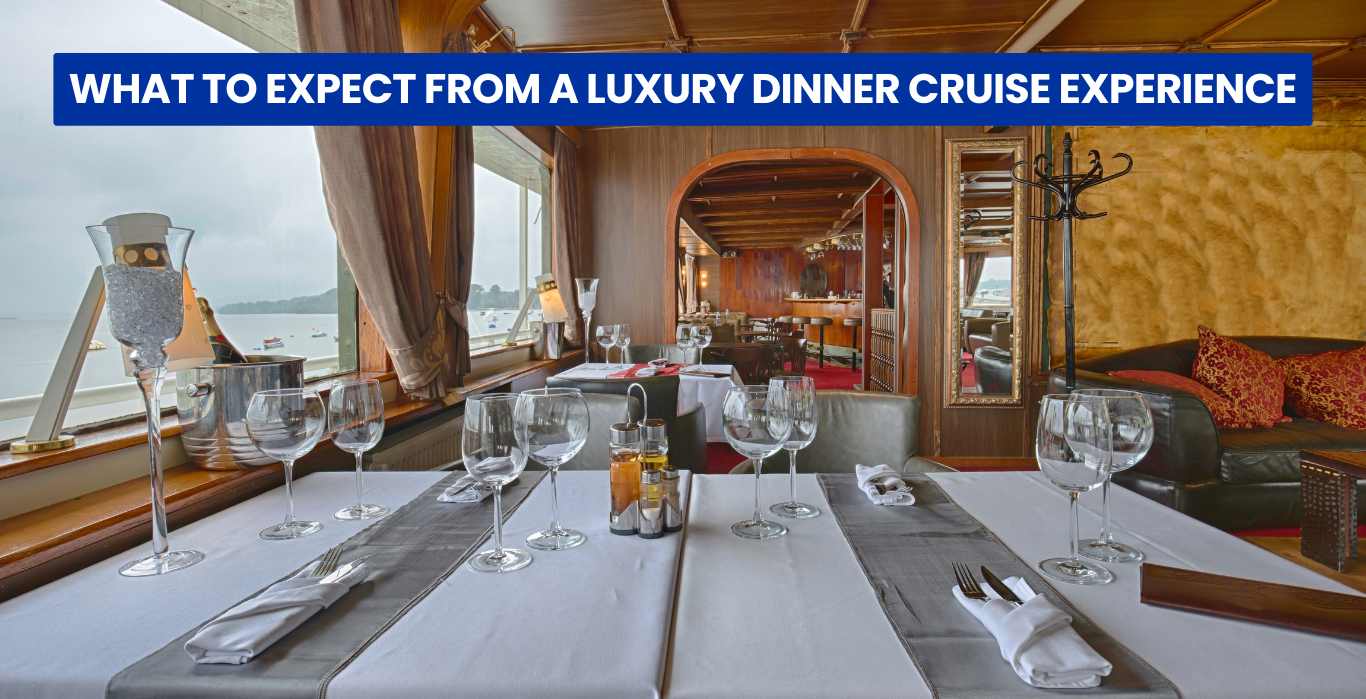
Comfort is the defining characteristic of luxury. Unlike crowded tourist boats with bench seating, premium vessels offer a spacious and elegant environment. The tables are arranged to provide privacy, ensuring that you can enjoy intimate conversations without feeling crowded by other guests. The chairs are plush and designed for long term comfort, allowing you to relax completely over the course of the three or four hour journey.

The interior design often mirrors the aesthetic of a chic lounge or a boutique hotel. Soft lighting, quality carpets, and tasteful decor create a warm and inviting ambiance. Advanced climate control systems ensure that the temperature is perfect regardless of the weather outside. Some vessels even offer exclusive VIP lounges for those who desire an even higher level of privacy and separation from the main dining area.

Premium Entertainment During the Dinner Cruise

Entertainment on a luxury cruise is sophisticated and understated. It is designed to complement the meal rather than overpower it. Instead of loud and chaotic shows, you can expect high quality performances that enhance the mood. Live music is a staple, often featuring a jazz quartet, a classical violinist, or a traditional band playing soft acoustic melodies.

Cultural shows are also part of the program but are presented with a focus on artistic quality. Professional dancers perform with precision and grace, showcasing the rich heritage of the region in a respectful and elegant manner. The sound system on these boats is advanced, providing clear audio that allows you to enjoy the music while still being able to speak comfortably with your companions. This balance creates a refined social atmosphere suitable for all ages.

Service Quality That Defines “Luxury”

What truly separates a luxury cruise from a standard one is the service. The staff members are highly trained professionals who understand the nuances of hospitality. They are attentive without being intrusive, anticipating your needs before you even have to ask. From refilling your glass to explaining the details of a dish, every interaction is handled with politeness and efficiency.

  • Personalized Attention: Staff members often remember your preferences throughout the night.
  • Prompt Service: Courses are served at the perfect pace, ensuring the food is hot and fresh.
  • Language Skills: The crew typically speaks multiple languages fluently to assist international guests.
  • Concierge Support: Assistance is available for any special requests such as surprise celebrations.

This level of dedication is what defines the best dinner cruise Bosphorus experience. It ensures that you feel pampered and cared for throughout the entire evening.

Who Should Choose a Luxury Dinner Cruise?

This premium experience is ideal for anyone looking to mark a special moment. It is a favorite choice for honeymooners who want a romantic setting to celebrate their new life together. It is also perfect for anniversaries, birthdays, or even marriage proposals, as the staff can often help arrange special touches to make the occasion unique.

However, you do not need a specific reason to book. Gourmet travelers who appreciate fine food and wine will find immense value in the dining quality. Photographers and architecture lovers will appreciate the unobstructed views and the stable sailing of a large, modern vessel. Essentially, it is for anyone who wants to elevate their travel experience from ordinary to extraordinary.

What Makes Luxury Cruises Worth the Price?

The price tag of a luxury cruise is higher than a standard tour, but the value lies in the comprehensive nature of the experience. You are not just paying for a boat ticket. You are paying for a floating fine dining restaurant, a private sightseeing tour, and a cultural show all combined into one seamless package.

When you consider the cost of a high end dinner in the city, plus the cost of a separate sightseeing tour and a taxi to a club, the cruise often provides better value. Moreover, you are buying a memory. The feeling of sailing past illuminated palaces while enjoying impeccable service creates a lasting impression that is worth the investment. It is a stress free way to enjoy the best the city has to offer in a single, perfectly orchestrated evening.

How to Choose the Best Guy Ropes for Caravan Awnings and Tents

Key Highlights

  • Selecting the right guy ropes is crucial for securing your caravan awning or tent.
  • High-quality ropes provide stability and safety, especially during strong winds.
  • Look for durable materials like UV-stable nylon and strong cast alloy tensioners.
  • The best guy ropes prevent tangles and make your setup quick and simple.
  • Investing in reliable camping gear eliminates hassle and gives you peace of mind.
  • Combine your ropes with premium pegs and springs for the ultimate setup.

Introduction

When you’re exploring, the last thing you want to worry about is your gear. Guy lines are the unsung heroes that keep your camp secure. Whether anchoring a tent or a caravan awning, choosing quality guy ropes ensures a quick, reliable setup. This guide covers everything you need to pick the right ropes for your next camping trip, so you can focus on fun—not the weather.

Understanding the Role of Guy Ropes in Caravan Awnings and Tents

Guy lines are essential for securing your caravan awning and tents, acting as anchors against unpredictable weather. The best guy ropes provide the necessary tension to keep your shelter stable, especially in windy conditions. With the right guy ropes, you can relax outdoors knowing your setup is secure—whether you’re using a simple awning or a full tent.

Why Guy Ropes Are Essential for Stability and Safety

Guy lines provide stability and safety for your tent or awning by creating tension between the fabric and the ground. This secure setup resists wind and rain, giving you peace of mind that your shelter will stay upright.

Choose guy ropes that are strong, durable, UV-resistant, and easy to use. Look for heavy-duty tensioners that lock securely. While many tents include basic ropes, upgrading to premium kits is a smart move for seasoned campers.

High-quality gear prepares you for any weather. Flimsy ropes can stretch or break in strong winds, risking damage or collapse. Reliable guy lines are essential for a safe and enjoyable camping experience.

How the Right Guy Rope Prevents Weather-Related Damage

A strong guy rope tie protects your tent or awning from weather damage. In sudden gusts or strong winds, quality ropes absorb and distribute pressure, preventing fabric tears and bent poles.

For windy conditions, choose heavy-duty ropes with reliable tensioners. They hold your tent securely, letting you sleep through storms with confidence.

Secure ropes help avoid costly repairs and ensure a worry-free camping trip by:

  • Protecting your awning from tearing
  • Preventing poles from snapping
  • Keeping your shelter stable in high winds

Key Features to Consider When Choosing the Best Guy Ropes

When choosing gear, focus on key features to find the best ropes. Look for high-strength guy lines that resist stretching and fraying, and opt for kits with sturdy tensioners and quality tent pegs.

Selecting the right equipment upfront saves hassle at the campsite. A good rope system makes securing your tent or awning quick and easy, so you can enjoy your adventure. Choose gear that’s strong, simple, and reliable.

Material Options and Their Impact on Durability

The material of your guy ropes and their components directly affects their performance and durability. For the rope itself, UV-stable nylon is an excellent choice. It’s strong, resistant to sun damage, and maintains its integrity even after prolonged outdoor use. This ensures your ropes won’t weaken or become brittle over time.

For the hardware, a heavy-duty cast aluminium tensioner provides a rock-solid lock that won’t slip, even in strong winds. This combination of a durable rope and a strong tensioner is what you should look for. The best material choice depends on the component, as different parts have different jobs.

Here’s a quick breakdown of common materials and their benefits:

Component Recommended Material Key Benefit
Rope UV-Stable Nylon Resists sun damage and remains strong over time.
Tensioner Cast Aluminium Provides a secure, slip-free lock and is rust-proof.
Clip/Hook Stainless Steel Offers quick-release function and high strength.

Ideal Thickness and Strength for Different Setups

The strength of a guy rope depends on its diameter and material. For most camping needs, ropes with substantial diameter offer strong support without being bulky. High-strength ropes are essential for securing large awnings and tents, especially in windy areas.

A length of about 4 meters is versatile, allowing you to secure awnings on taller vehicles while maintaining stability. Choose ropes designed for heavy-duty use—they’ll have the right thickness to handle significant tension.

Visibility is also key. High-visibility colors help prevent tripping, especially at night. When selecting guy ropes, look for:

  • Sufficient diameter for strength
  • At least 4 meters in length
  • High-visibility colors for safety

Comparing Guy Ropes for Caravan Awnings vs. Tents

While all guy ropes serve the same basic function, needs vary between securing a large caravan awning and a small tent. Caravan awnings, being larger and more exposed to wind, often require longer, stronger ropes—look for packs made specifically for awnings.

Many modern kits are versatile enough for both tents and awnings, ideal for campers who use both. Choose ropes that combine adequate length for awnings with simple setup for tents.

Design Differences That Affect Performance

The main differences between guy ropes for tents and awnings are length and strength. Caravan awnings are larger and heavier, requiring longer, stronger ropes and sturdier hardware. Awning kits often include extra-long ropes to reach distant peg points, along with heavy-duty grippers or tensioners to handle high winds.

Tent ropes, by contrast, are usually shorter and lighter—fine for calm weather but less secure for larger setups or rough conditions. Upgrading to a heavy-duty, versatile rope system ensures you’re prepared for any situation.

Selecting Ropes Based on Tent Size and Wind Conditions

When choosing ropes, consider your tent size and expected wind conditions. Small tents in sheltered areas need less strength than large tents in exposed, windy locations.

Lightweight guy ropes aren’t suitable for larger tents or awnings; use high-strength lines that resist stretching and failure. Wind increases tension, so robust ropes are essential for security.

Key tips:

  • Large Tents/Awnings: Use heavy-duty guy ropes—caravan packs are ideal.
  • Windy Locations: Choose ropes with high tensile strength and quality tensioners.
  • Small Tents/Calm Weather: Lightweight ropes may work, but stronger options offer extra security.

Enhancing Your Setup with Guy Rope Accessories

The right guy rope accessories elevate your setup. Key components like tensioners and pegs are as vital as the rope itself, working together for a secure, weather-resistant system.

Extras such as a gear bag for organization and velcro straps to manage excess rope make setup cleaner and more efficient. Investing in high-quality accessories ensures your system is reliable and easy to use.

Choosing Effective Tensioners and Pegs

The right tensioners and pegs are essential for a secure camping setup. A cast aluminum tensioner grips the rope firmly and won’t slip, giving you precise control over tent tension—much better than basic plastic sliders.

Pair your ropes with quality tent pegs for maximum stability. The peg anchors your setup, so choose ones suited to the ground type, like Ezy Anchor caravan pegs for reliable hold in any terrain.

For best results, use gear that works together:

  • Cast aluminum tensioners provide secure, non-slip grip.
  • Premium pegs anchor your tent in any ground.
  • Matching ropes, tensioners, and pegs ensures a dependable setup.

Upgrading Your Existing Guy Ropes for Improved Security

If your setup lacks stability, upgrading is simple and effective. Replace flimsy ropes with high-performance options like Tiegear’s guy ropes for fast, secure anchoring.

Complete kits, such as steadfast bundles, are another smart upgrade. They include heavy-duty ropes, tensioners, springs, and a gear bag—ensuring durability and compatibility.

Conclusion

In summary, choosing the right guy ropes for your caravan awnings and tents is key to stability, safety, and a better camping experience. Consider material, thickness, and design to find the best fit for your needs. Pair your guy ropes with quality accessories for added security. Ready to upgrade your gear? Get a free consultation to find the perfect guy ropes for you.

Frequently Asked Questions

Are lightweight guy ropes strong enough for large tents and awnings?

No, lightweight guy ropes are not recommended for a large tent size or awnings, especially in strong winds. These setups require high-strength guy lines and large rope grippers to handle the significant force. Always choose ropes designed for the weight and surface area of your shelter for maximum safety.

What is the easiest way to secure guy ropes during bad weather?

The easiest way to secure your guy rope tie in strong winds is to use a system with a reliable tensioner and a strong peg. An Ezy Anchor rope gripper combined with a heavy-duty peg provides a rock-solid hold. This allows you to achieve high tension quickly and ensures it stays locked.

Where can I buy the best guy ropes for caravans and tents in the United States?

You can find the best guy ropes and camping gear for your adventures in the USA by shopping with specialized online retailers. Look for brands that offer high-quality guy rope kits, a caravan pack, or an awning pack designed for durability and ease of use to ensure you get a reliable product.

A Simple Guide to Writing a Friendly Rent Increase Letter

A Simple Guide to Writing a Friendly Rent Increase Letter

Handling a rent increase can be one of the more challenging responsibilities for landlords. It’s crucial to approach the process with transparency and empathy to maintain positive tenant relationships. Crafting a well-thought-out rent increase letter is essential. In this guide, we’ll walk you through how to write a landlord rent increase letter to tenants, provide a friendly rent increase letter sample letter, and include a letter to raise rent example.

Understanding the Reasons for a Rent Increase

Before drafting your letter, it’s important to understand why a rent increase might be necessary. Raising rent is not just about boosting income; it’s about reflecting the investment and efforts you’ve put into the property. Here are some common reasons:

  • Property improvements: If you’ve made enhancements such as upgrading appliances or renovating, it justifies a rent increase because these improvements add value.
  • Inflation and rising costs: Sometimes, external factors like increased property taxes or insurance rates necessitate a rent adjustment to maintain profitability.

Key Considerations Before You Increase Rent

Strategic planning is vital before implementing a rent increase. Consider the following factors:

  • Local market conditions: Is the rent you’re proposing competitive compared to similar properties in your area?
  • Unit condition: Make sure your property’s condition justifies an increase. Significant repairs or upgrades should be completed beforehand.
  • Lease terms: Consider whether a tenant’s lease is near expiration. It might be easier to adjust rent for new tenants rather than mid-lease.
  • Tenant financial stability: Be mindful of your tenants’ financial situations, especially if they are on a fixed income.
  • Legal compliance: Ensure you are following local laws and regulations regarding notice periods and rent control restrictions.

Crafting a Tenant-Friendly Rent Increase Letter

Writing a rent increase letter can be daunting, but following this structure can help convey your message clearly and empathetically:

  1. Start with essential details: Include the date, tenant name, and property address to ensure the letter is personalized and clear.
  2. State the new rent amount and start date: Clearly specify the amount and when the increase will take effect. It’s typical to aim for between a 3% and 5% rise.
  3. Explain the reason for the increase: While not legally required, transparency builds trust. Whether it’s due to property improvements or covering rising costs, letting tenants know the reason is considerate.
  4. Express empathy: Acknowledge that a rent increase can be unwelcome news. Show understanding and express a willingness to discuss any concerns.
  5. Encourage open communication: Invite your tenants to reach out if they need clarification or have questions about the rent change.
  6. End with a signature: A handwritten signature can personalize the letter.

Example of a Friendly Rent Increase Letter

Here’s an example to get you started:

[Date]

[Tenant’s Name]

[Property Address]

Dear [Tenant’s Name],

I hope this message finds you well. I am writing to inform you about an upcoming change to your monthly rent for [Property Address]. Starting [Start Date], your new rent amount will be [New Rent Amount].

This adjustment helps us continue providing quality service, maintain the property’s condition, and cope with the increasing costs in our area. I understand this news may be unexpected, and I am here to address any questions or concerns you might have.

Please feel free to reach out anytime.

Thank you for choosing to call [Property Name] your home.

Warm regards,

[Your Name]

Conclusion

Communicating a rent increase doesn’t have to be a negative experience for either party. By considering the factors discussed and crafting a thoughtful letter, you can maintain lasting, positive relationships with your tenants. Taking a straightforward and empathetic approach ensures your tenants feel respected and informed, ultimately supporting the success of your rental business.

How to Get Lithuanian Citizenship by Marriage?

Marriage is more than a personal bond – in Lithuania, it can also open the door to a shared life as citizens of the same country. For those married to Lithuanian nationals, it is possible to gain Lithuanian citizenship through marriage, provided specific conditions are met. This process reflects Lithuania’s commitment to strengthening family unity while maintaining the integrity of its nationality laws.

Understanding Citizenship by Marriage

It’s important to know that marriage to a Lithuanian citizen does not automatically grant citizenship. Instead, it provides an eligibility route under the country’s naturalization framework. This pathway differs from Lithuanian citizenship by descent, which is based on proving ancestral links to Lithuania before 1940. Citizenship by marriage is grounded in your legal and residential connection to a Lithuanian spouse – and your established life together within the country.

Eligibility Requirements

To qualify for Lithuanian citizenship through marriage, several legal and practical criteria must be met.

Legal Marriage to a Lithuanian Citizen

You must be legally married to a person who already holds Lithuanian citizenship. The marriage must be officially recognized by Lithuanian civil authorities, even if performed abroad.

Residency in Lithuania

Applicants are generally required to have lived in Lithuania continuously for seven years while married to their Lithuanian spouse. During this period, you must hold a valid permanent residence permit, showing your stable and legal stay in the country.

Integration and Stability

Lithuania values integration. To demonstrate this, applicants must:

  • Pass a Lithuanian language test (basic proficiency).
  • Show knowledge of the Lithuanian Constitution.
  • Have no serious criminal record.
  • Prove a stable income or means of support.

These conditions ensure that new citizens are well-integrated and actively contributing to Lithuanian society.

Application Process

The process to apply for citizenship through marriage is straightforward but detailed.

  1. Prepare your documentation – including your marriage certificate, proof of residence, spouse’s citizenship documents, language and Constitution test results, and evidence of financial stability.
  2. Submit your application to the Lithuanian Migration Department or, if abroad, through a Lithuanian embassy or consulate.
  3. Await verification – officials review your case, check documents, and may request additional proof or clarification.
  4. Receive a decision – once approved, you’ll be invited to take the citizenship oath.

The review process can take several months, depending on case complexity and administrative workload.

What Happens After Approval

Once you’ve been granted Lithuanian citizenship, you gain full rights equal to those of native-born citizens – including the ability to apply for a Lithuanian passport. Your Lithuanian passport gives you visa-free or visa-on-arrival access to more than 180 countries and the right to live, work, and study anywhere within the European Union. It’s a tangible symbol of belonging – both to Lithuania and to the wider European community. For many couples, this marks the culmination of a shared journey – a life built together, supported by law and recognized by the state.

How It Differs from Citizenship by Descent

While Lithuanian citizenship by descent is based on ancestry and historical evidence, citizenship through marriage emphasizes your current, ongoing relationship and integration. Both lead to the same outcome – full citizenship and the ability to hold a Lithuanian passport – but they serve different paths and life stories.

Gaining Lithuanian citizenship through marriage is a meaningful, structured process designed to unite families under one nationality. With the right preparation, documentation, and patience, this path can lead to a stable future together in Lithuania or anywhere in the EU.

Contact IN JURE Law Firm today to find out if you qualify for Lithuanian citizenship. Let’s help you live, work, and build your future together – wherever in Europe life takes you.

Nexymus.com Review: Trade Fast, Stress Less, and Pretend You Totally Saw That Trend Coming

Nexymus.com Review: Trade Fast, Stress Less, and Pretend You Totally Saw That Trend Coming

If you’ve ever traded, you know that rush when the market finally breaks your way. Suddenly, it’s like you’re in the middle of the world’s wildest game, prices rocket, trends flip in a heartbeat, and trade setups show up faster than you can blink on NFP day. Doesn’t matter if you’re just getting started or … Read more

The ‘Ghost Truck’ Epidemic: How Do You Stop a Thief Who Has Your Keys?

The nightmare scenario for any logistics manager usually starts with a phone call that never comes.

A carrier arrives at a warehouse in Los Angeles to pick up a container of high-value electronics. The driver checks in at the guard shack. He presents a valid CDL. He has the correct Pickup Number. The company name on the side of his cab matches the paperwork. The warehouse crew loads $250,000 worth of cargo, signs the Bill of Lading, and watches him drive off the lot.

Three days later, the receiver in Dallas calls to ask where the freight is. You check your system. The phone number for the driver is dead. The carrier claiming to move the load says they never dispatched a truck.

You haven’t just been robbed; you have been ghosted.

This is the new face of Strategic Cargo Theft, and it is rising at a terrifying rate. According to recent industry reports, while physical theft (hijacking) remains steady, theft by deception—involving identity fraud and fictitious pickups—has exploded, increasing by over 600% in some sectors.

The Evolution of the Heist

For decades, cargo theft was a crime of opportunity. Thieves would wait for a driver to leave a truck unattended at a truck stop, break the lock, and steal the goods. It was messy, risky, and physically dangerous.

Today, thieves have moved from the parking lot to the internet. They operate as sophisticated crime rings, often based overseas. They scour load boards for high-value freight and use “social engineering” to steal it.

The most common tactic is Double Brokering or Identity Theft.

  1. The Setup: A criminal ring finds a legitimate carrier with a clean safety record. They “clone” their identity, creating fake email addresses (e.g., using “carrier-logistics.com” instead of the real “carrier.com”) and forging insurance certificates.
  2. The Bid: They bid on a load using the stolen identity. The broker, seeing a reputable name, awards the load.
  3. The Switch: The criminals then hire a real (often unsuspecting) driver to pick up the load, or they send their own “ghost truck” with fake placards.
  4. The Vanishing Act: Once the cargo is picked up, it is driven not to the destination, but to a cross-dock facility where it is unloaded, repackaged, and sold.

By the time the broker realizes the load is missing, the trail is cold. The paperwork was perfect. The ID was valid. The system worked exactly as it was designed to, right up until the moment it didn’t.

The Failure of Paper

The “Ghost Truck” epidemic exposes a critical weakness in the supply chain: our reliance on static verification.

We rely on snapshots of truth. A CDL is a snapshot. An insurance certificate is a snapshot. A carrier packet is a snapshot. All of these things prove who the carrier was when the document was printed, but they do not prove who is driving the truck right now.

In an era of deep fakes and high-quality forgeries, paper is no longer proof of custody. The only proof of custody is physics. You need to know, indisputably, where the asset is located in space and time.

The Digital Breadcrumb

This is where the defense strategy must shift from “vetting” to “visibility.”

To defeat a Ghost Truck, you cannot rely on the driver’s word. You need an independent source of truth that is physically attached to the asset. This is why shippers and brokers are increasingly demanding that carriers utilize independent tracking solutions that are not tied to the driver’s cell phone (which can be easily manipulated or turned off).

If a “Ghost Truck” picks up a load, the clock starts ticking immediately.

  • Scenario A (No Tech): The broker waits for the scheduled delivery time to realize something is wrong. By then, 72 hours have passed. The cargo is gone.
  • Scenario B (With Tech): The broker sees the truck leave the warehouse. Ten miles down the road, the truck deviates from the approved lane. It turns north instead of east. It stops at an unauthorized warehouse in an industrial park.

In Scenario B, the anomaly is detected instantly. The broker can call law enforcement while the truck is still sitting at the thieves’ cross-dock.

The New Standard of Trust

We are entering an era where “trust” is insufficient. The logistics industry is moving toward a model of “Trust but Verify.” The verification comes from the hardware.

The only way to ensure that the truck carrying your $200,000 shipment is actually going to Dallas is to watch it go to Dallas. If you are operating a fleet or brokering high-value loads, the installation of a covert truck GPS tracker is no longer just an operational efficiency tool—it is an anti-theft necessity. It is the only witness that cannot be bribed, forged, or silenced. In the fight against invisible thieves, it is the only way to keep your eyes on the road.

How to Plan a Dream Cruise Without Breaking the Bank

A cruise can feel like the ultimate vacation — sun, sea, and endless food all in one place. But for many people, the moment they start checking prices, excitement turns into hesitation. Between cabin rates, excursions, and onboard extras, the total cost can add up fast. It’s no surprise that some travelers assume cruising is only for those with deep pockets.

The truth is that you don’t need a big budget to enjoy a great cruise. What you need is a bit of planning, a few insider tips, and an understanding of how cruise pricing works. With some smart decisions made early on, you can save hundreds without cutting back on fun. From booking strategies to managing daily expenses, it’s all about knowing where to spend and where to save.

If you’ve been holding off on your dream cruise because you think it’s too expensive, this guide will show you how to make it happen without draining your savings.

Start Planning Early — But Not Too Early

Timing matters more than most people think. Booking too early can sometimes mean paying more before the real deals roll in. On the other hand, waiting until the last minute might limit your choices and force you into higher-priced cabins or less ideal sail dates.

The sweet spot for most travelers is usually between six to nine months before the cruise. That’s when cruise lines start offering early promotions but still have plenty of room options left. Planning in this window gives you flexibility to compare routes, ships, and dates.

It also gives you time to organize your travel budget. If you’re setting aside money gradually, using something simple like the 50/30/20 rule can help you decide how much to save each month. It keeps your planning realistic and prevents last-minute financial stress when booking opens.

You’ll also have more time to watch for sales. Many cruise lines offer price adjustments if fares drop after you book — but you have to keep an eye on them. Signing up for fare alerts can help you catch those drops before they disappear.

Compare Cruise Lines Before You Commit

Not all cruise lines are priced the same — and not all include the same things in their fares. Some appear cheaper upfront but charge more for basics like Wi-Fi, drinks, or gratuities. Others may seem pricier but include more amenities, making them a better overall deal.

Before booking, take time to list what’s included and what’s extra. A cruise with complimentary dining, entertainment, and internet might save you more in the long run than a bare-bones fare that charges for every add-on.

It’s also worth checking lesser-known cruise lines or smaller ships. They sometimes offer promotional pricing to attract new travelers and often provide a more personal experience for less money.

Choose Your Cabin Wisely for Maximum Value

Cabin selection plays a big role in your total cost. Interior cabins, which don’t have windows, are often the cheapest but still give you access to every part of the ship. If you plan to spend most of your time exploring or relaxing on deck, you might not miss the ocean view.

For travelers who want a bit more comfort, look for “guarantee cabins.” These are offered at a lower rate because you let the cruise line assign your exact room closer to departure. You’ll still get the cabin type you booked, but at a reduced price.

Another smart move is to monitor price changes after booking. If the price for your category drops, call customer service. Many cruise lines will match the new rate or give onboard credit.

Avoid Onboard Spending Traps That Eat Your Budget

Once you’re on the ship, it’s easy to forget how fast small purchases add up. Drinks, specialty restaurants, spa treatments, and souvenir photos can quietly double your total bill. The best way to avoid this is to set a daily spending limit before you board.

Cruise lines design their ships to encourage spending, so knowing what’s worth paying for helps. If you love coffee, buy a drink package early — it’s often cheaper than buying individual cups each day. The same goes for Wi-Fi and soda bundles. Look for promotions before your trip because onboard prices are usually higher.

You can also bring small items that save money, like reusable water bottles, sunscreen, or motion sickness pills. Buying them on board can cost two or three times more. Being mindful of extras doesn’t mean giving up fun; it just means you’ll enjoy your trip without surprises on your final bill.

Take Advantage of Rewards, Points, and Perks

Many travelers overlook how much they can save with credit card points or loyalty programs. If you have a travel rewards card, check whether your points can be used for cruise bookings or onboard credit. Some cards even offer discounts with specific cruise lines or allow you to earn double points on travel purchases.

Frequent cruisers should also look into loyalty programs. Most cruise lines reward repeat guests with perks like free internet, early boarding, or room upgrades. If you’re new to cruising, signing up before your first trip ensures your voyage counts toward future rewards.

It’s also smart to check if your employer, membership organization, or even your cell phone provider offers travel discounts. A few minutes of research can lead to real savings without changing your plans.

Pack Smart to Avoid Extra Expenses

Packing efficiently can prevent unnecessary costs once you’re onboard. Airlines charge extra for overweight luggage, and cruise ships charge for laundry or forgotten items. Before packing, check your cruise line’s dress code and packing recommendations.

Bring essentials like sunscreen, medications, toiletries, and power adapters. These small items are often much more expensive on the ship or at ports. Pack a few casual outfits you can mix and match instead of bringing too many clothes. Most ships have self-service laundry rooms or laundry specials midweek — using them is cheaper than paying per item.

If you plan to swim or work out, pack your own gear instead of renting. A little preparation before the trip helps you avoid paying for convenience later.

A dream cruise doesn’t have to come with a high price tag. The secret is not in cutting corners, but in planning wisely. When you book at the right time, stay flexible with your dates, and manage your onboard spending, you’ll enjoy the same experiences as those paying full price.

Budgeting ahead and making informed choices means you can travel with peace of mind. Instead of worrying about costs, you can focus on the views, the meals, and the memories you’re creating.

Cruising should feel like an escape, not a financial strain. With these strategies, you can step aboard knowing your adventure is both affordable and unforgettable.

Why Northern Routes Create Stronger Local Connections for Cruisers

Cruising is known for luxury, adventure, and convenience, but not every route offers the same kind of immersion. Northern itineraries—those that trace the coastline of Alaska, the Pacific Northwest, Norway, and Iceland—invite travelers into a deeper relationship with the places they explore. The farther north ships sail, the more passengers discover that the sea is not just scenery; it is a lifeline for the communities who live along these shores.

On these journeys, guests are introduced to coastal cultures shaped by nature and tradition. While travelers may enjoy a meal featuring wild caught salmon on board by the third evening of their voyage, they soon realize that food is just one expression of a much bigger connection to land and sea. Northern cruises encourage a meaningful encounter with people who depend on the ocean for identity, heritage, and daily life.

In these regions, ports become more than stops on an itinerary—they are bridges between visitors and the communities that welcome them. Whether stepping into a historic fishing village carved into a fjord or joining a small-group cultural experience deep in Indigenous territory, travelers quickly feel the authenticity that northern cruising offers.

Coastal Communities Built on Tradition

Much of the northern world’s heritage is intertwined with the ocean. Generations of Indigenous families in Alaska and Western Canada practiced sustainable fishing, respected wildlife migration, and crafted art that celebrates water as spirit and provider. Cruise visitors may encounter carvers who create intricate totems or storytellers who share legends passed down for centuries.

Norway’s fjord-side towns tell their own tales through turf-roofed architecture, Viking history, and age-old maritime craftsmanship. In Iceland, green-roof cottages and geothermal bathing traditions reveal how life adapts to an environment both harsh and beautiful. These cultures remain vibrant not as museum pieces, but as living identities shaped by daily survival and community pride.

What makes northern routes special is how locals welcome travelers into that living world. Instead of being observers behind a glass window, passengers become participants, tasting flavors, learning customs, and supporting artisans whose livelihoods stem from regional heritage.

A Different Type of Shore Excursion

While tropical cruises often revolve around beach relaxation, northern excursions are rooted in storytelling. These immersive activities may include:

  • Visiting Indigenous cultural centers in Alaska
  • Learning traditional weaving or carving techniques
  • Touring family-owned smokehouses or fishing operations
  • Taking guided walks led by locals who describe how climate shapes their routines
  • Joining wildlife interpreters who introduce travelers to coastal ecosystems

Cruise guests hear firsthand what makes the region special—and what challenges it faces. Conversations give context that no postcard could capture. The icy waters, towering fjords, and rugged cliffs are undeniably beautiful, but it is the voices of the people who call these landscapes home that give them deeper meaning.

Local Markets That Bring People Together

Northern towns often revolve around community marketplaces—small, welcoming spaces that reveal everyday life. Travelers strolling through these markets find handmade crafts, local preserves, traditional clothing, and art that highlights the connection between people and nature. Unlike large commercial hubs in warmer cruise regions, these markets often directly support families, preserving cultural skills and enabling younger generations to stay within their communities.

Local cuisine becomes a form of introduction. A sampling of berries that thrive in cold climates, smoked fish from a family smokehouse, or bread made from ancient grains creates a sensory memory tied to place. Travelers discover that the region’s most cherished foods are those that tell a deeper story.

Sustainability Rooted in Identity

Northern communities have long understood that survival requires respecting the environment. Many cultural excursions emphasize sustainable practices, from eco-focused fisheries to conservation programs that protect marine life. Guests learn why caring for the ocean isn’t just responsible—it’s essential to maintaining heritage.

Through these onboard programs, travelers learn how responsible harvesting supports coastal communities. So when they enjoy wild caught salmon during the voyage, the experience becomes more meaningful—representing the natural ecosystems and traditions they encountered earlier on shore.

Shared Experiences That Create Lasting Memories

Evenings aboard ship reflect the day’s discoveries. Travelers gather along railings to watch fishing boats returning to harbor. In the observation lounge, experts recount the legends of fjords and glaciers. Performers from local communities often come on board to share music and dance, creating emotional moments that stay with guests long after the journey ends.

These experiences foster a sense of gratitude—not only for spectacular views, but for the chance to witness cultures resiliently thriving at the edge of the world.

Cruises That Give Back

Many cruise lines now focus on developing long-term relationships with northern ports. That means:

  • Partnering with locally owned tour operators
  • Hiring regional performers and guides
  • Encouraging the purchase of local goods
  • Supporting marine conservation and cultural preservation programs

This mutual respect forms a network of shared benefits. Cruisers receive authentic experiences, while communities gain economic opportunity and recognition. It’s travel with meaningful impact.

A Journey That Connects Beyond the Itinerary

What sets northern cruising apart is the feeling it leaves behind. Travelers return home with deeper appreciation—of history, resilience, and the profound connection between people and sea. The memories aren’t limited to photographs of glaciers or dramatic coastlines; they include warm encounters, heartfelt stories, and newfound understanding.

Cruisers who head north don’t just explore destinations—they connect with them. And it’s that enduring sense of connection that makes passengers eager to return, to learn more, and to continue supporting the communities that welcomed them aboard their shores