Passport to Smoother Trips: Best Online Tools for Boosting Your Travel Experience

Most travel headaches don’t come from the destination—they come from scattered bookings, bad timing on prices, confusing transit options, and avoidable “I didn’t know” moments. The best online tools reduce friction by helping you plan faster, spend smarter, and adapt when things change. Instead of adding more tabs, a good travel stack gives you a simple system: find deals, organize details, navigate confidently, and stay connected. The tips below focus on reliable platforms that are active, widely used, and designed to make travel feel easier from booking to touchdown.

1: Catch Better Flight Deals with Price Tracking Instead of Guessing

Google Flights is excellent for scanning routes quickly and monitoring prices so you’re not manually checking the same trip every day. Skyscanner is useful when you want broad comparisons across airlines and agencies, especially for flexible dates or “anywhere” searches. A practical strategy is to track two versions of the same trip: your ideal dates and a “backup” window that’s 1–2 days wider, so you can act when prices dip. If you’re flying with bags or specific seat needs, treat the lowest fare as a starting point and compare the real total cost before you book. The smartest move is to save 2–3 comparable itineraries and decide based on trade-offs (duration, stops, arrival time) rather than price alone.
Quick checklist

  • Turn on price tracking for your top routes
  • Compare total cost with baggage/seat add-ons
  • Save one “ideal” and one “flexible” option
  • Book directly with the airline when possible for easier change

2: Build a “Single Source of Truth” Itinerary with TripIt

TripIt shines when your plans are spread across airlines, hotels, tours, and train confirmations that live in different inbox threads. Forward confirmations and keep one itinerary that’s easy to reference when you’re tired, offline, or rushing between terminals. The underrated benefit is sharing: send your itinerary to a travel partner or family member so someone else always knows the plan. This also helps you catch inconsistencies early—like a hotel date that doesn’t match your flight arrival or a rental pickup time that’s unrealistic. If your trip changes midstream, updating one hub is simpler than re-checking five separate apps.
Quick checklist

  • Add flight + lodging + ground transport confirmations
  • Share the itinerary with one trusted contact
  • Save key addresses and reservation numbers in one place
  • Screenshot critical details as backup

3: Compare Ground Routes Fast with Rome2rio (Then Book Smart)

Rome2rio is a quick way to understand how to get from A to B when planes aren’t the only option—think train + bus + ferry combinations you might not realize exist. It’s especially helpful in unfamiliar regions where local transit systems aren’t obvious from a standard map view. Use it to compare time vs. cost vs. complexity, then book through the most reliable channel available for that route (often direct operators). A great travel habit is to “pre-check” your airport-to-hotel route before you land so you’re not troubleshooting after a long flight. When schedules look tight, build in buffer and screenshot the route steps in case connectivity drops.
Quick checklist

  • Run two routes: “cheapest” and “least transfers”
  • Screenshot route steps and station names
  • Verify final booking details with the operator
  • Plan an airport-to-lodging route before arrival

4: Navigate Cities Like a Local with Citymapper for Transit Precision

Citymapper is built for urban movement—helpful when you need reliable public transit directions that account for walking, transfers, and timing. It’s most valuable in dense cities where the difference between the “right” line and the “wrong” line can cost an hour. Use it to reduce decision fatigue: open the app, follow the steps, and stop second-guessing signage in a new language or unfamiliar system. Pair it with a saved list of your key places (hotel, conference venue, main attraction, train station) so you can re-route instantly. The unique win is confidence: knowing you can get back “home base” quickly changes how adventurous you feel during the day.
Quick checklist

  • Save your hotel and 3–5 priority addresses
  • Favor routes with fewer transfers when tired
  • Check service alerts before leaving
  • Keep a “return route” bookmarked for late nights

5: Book Experiences with Flexible Cancellation Using GetYourGuide

GetYourGuide is useful when you want to compare activities, see reviews, and book tours or tickets without assembling everything from scratch. The best way to use it is to treat “time” as your budget: pre-book the one or two experiences that would be painful to miss, then leave free time for wandering. Look closely at what’s included (entry tickets, transport, guide language, meeting point) so you don’t accidentally double-pay on arrival. Another smart move is to save the meeting point in your maps app and arrive early, because late arrivals are a common cause of wasted bookings. If you’re traveling with a group, choose experiences with clear logistics and fewer “moving parts” to reduce friction.
Quick checklist

  • Pre-book 1–2 “must-do” items early
  • Confirm what’s included vs. excluded
  • Save meeting points and arrive early
  • Prefer options with flexible cancellation when plans may shift

6: Stay Connected and Spend Smarter with Airalo + Wise (or Revolut)

Airalo helps travelers avoid roaming sticker shock by using eSIM data plans that can be set up digitally on compatible devices. Wise is strong for multi-currency spending and reducing hidden conversion costs when you pay abroad, while Revolut is often used for travel spending controls and in-app currency handling. A high-leverage habit is to set a “travel spending dashboard” before you leave: one card you’ll use, one backup, and notifications turned on for every transaction. Connectivity plus money clarity reduces the two biggest travel stressors: getting lost and feeling unsure about what you’re spending. Test your setup at home—install the eSIM, confirm your payment method works, and store support links—so you’re not troubleshooting in transit.
Quick checklist

  • Install and test your eSIM before departure
  • Turn on transaction alerts for every payment
  • Carry one backup payment method
  • Keep emergency support links saved offline

FAQ for Travelers on Card Design

Designing a card is a simple way to add a personal touch to a trip—thank-you notes, postcards, host messages, or “we made it!” updates—without needing design experience. The key is choosing the right size, template, and print method so the final result looks intentional, not rushed. Good card tools also help you avoid common mistakes like blurry photos, cut-off text, and mismatched colors. If you want physical cards, pick platforms with clear paper options and reliable previews. If you want digital cards, choose services that make sending easy while still letting you customize typography and layout. Below are quick answers that focus only on card design choices and where to create them.

1) What’s the easiest way to make a travel-themed card that still looks professional?

Start with a template-based editor so you’re only customizing the message, imagery, and layout instead of building from a blank page. Adobe Express is a strong option for fast template edits and clean typography, especially when you want a polished look without advanced design skills.

2) Where can I create a card online and print a greeting card for free?

If you want a quick design flow with templates and an easy starting point, you can print a greeting card for free through Adobe Express, which offers a streamlined way to create card layouts. From there, focus on readability first—large headline text, short body copy, and a clear photo crop—so the printed result feels intentional.

3) Which services are best for premium paper, sharp printing, and “gift-worthy” finishes?

MOO is known for high-quality printed products and is a good pick when paper stock and finish matter as much as the design. If you’re sending something that should feel special in-hand, prioritize heavier cardstock and order a small batch first to verify color and clarity.

4) What platforms work well if I want lots of templates and quick customization?

VistaPrint offers a broad range of customizable greeting card templates and a straightforward design-and-order flow that works well for fast iterations. If you prefer designing first and deciding printing later, you can draft a clean layout and then upload it to the printer of your choice.

5) What are the best options for digital cards that still feel customized and personal?

Paperless Post is built around sending online cards quickly while keeping design customization front and center. If you want more variety in styles and creator-made designs, Zazzle also offers a wide range of customizable card templates that you can tailor to your message.

The best travel tools don’t “do everything”—they remove the most common points of friction at the exact moments you’re most likely to feel stressed. A simple stack can cover the full journey: track flight prices, consolidate plans, compare ground routes, navigate cities confidently, book experiences with clear logistics, and stay connected while spending intentionally. If you’re overwhelmed, start by fixing your biggest failure point (prices, organization, navigation, or connectivity) and add only one tool at a time. You’ll get better results by building repeatable habits—like saving routes, turning on alerts, and keeping one itinerary hub—than by downloading every travel app you see. The real upgrade is control: fewer surprises, faster decisions, and more energy for the parts of travel you actually care about. Keep the goal consistent across every trip: plan with clarity, move with confidence, and free up your attention to enjoy the experience you traveled for.

Majestic Trails of Nepal: Kanchenjunga, Manaslu, and Langtang Calling You

Majestic Trails of Nepal: Kanchenjunga, Manaslu, and Langtang Calling You

Introduction

Nepal always feels like one big magic land, and these three treks make the heart beat fast because they show mountains in raw face and also culture in deep feel. The Kanchenjunga Circuit Trek, the Manaslu Circuit Trek, and the Langtang Valley Trek all bring different types of feeling, but when you walk them, it all goes in the same beautiful flow. Here the long journey words go, simple talk, simple flow, but the story is strong and clear so anybody can feel like walking there already.

Kanchenjunga Circuit Trek

Overview

The Kanchenjunga Circuit Trek feels like going into one huge quiet world with no loud voices except wind and rivers. It lies in far east Nepal and takes many days but every day shows something new. This trek circles around the third highest mountain in the world, Kanchenjunga, and gives a view that feels like a dream but is true.

Why People Choose This Trek

People go for this trek because it is not too crowded and shows nature in its pure form. Forest, valley, glacier, mountain, village—everything comes in front like a picture moving slowly. Trekkers feel peace because there are fewer tourists and the environment is clean and fresh.

Trail Experience

When climbing up and down these hills, my feet get tired but my mind feels happy. Paths go through rhododendron forests, bamboo trees, and many waterfalls. Sometimes clouds play hide-and-seek with the mountain; sometimes the sun shines so bright it’s like touching the snow. Villages on the way are full of kind people. They talk simply and smile warmly and bring tea that makes the body warm.

Culture and People

Many people here are from the Limbu and Rai community. They have old traditions and they do farming and animal raising. When you reach their house, they welcome you with respect and make you feel like a friend even if they meet for the first time. Their dances and songs are also very old and calm.

Mountain Views

The main highlight of the trek is the close view of Kanchenjunga North and South. When sunrise falls on these peaks, the colors change to gold, orange, and white, and everything looks like a big painting. Many glaciers and deep valleys also come on the way. Landscapes change every day, like someone turning the page of a book.

Best Time to Trek

The best time for this trek is spring and autumn. In spring, flowers bloom and the whole forest looks like a festival. In autumn, the sky stays clear and the mountain view becomes very sharp. Winter is too cold and has heavy snow, and the monsoon brings heavy rain so it is not easy to walk.

Difficulty Level

This trek is long and tough but with a slow walk and rest day, it becomes possible. People need good fitness and also mental strength because altitudes also go high. But beauty everywhere makes power in legs again and again.

Manaslu Circuit Trek

Majestic Trails of Nepal: Kanchenjunga, Manaslu, and Langtang Calling You

Overview

The Manaslu Circuit Trek sits in central Nepal and circles around Mount Manaslu, the eighth highest in the world. It is one of the best classic treks but not as rushed as the Everest or Annapurna area. It gives a mix of nature, culture, and adventure all in one big package.

Feeling of the Route

From the start, the trek shows green farms, big rivers, and cliff paths that look scary but beautiful. As I go up, the air gets colder and the view opens more. Every day a new surprise comes. One day the forest is deep, the next day snow lines appear, and another day monastery colors shine under the wide sky.

Culture Touching

People living here are mostly of Gurung and Tibetan origin. They follow Buddhism, and many mani walls, prayer wheels, and prayer flags move with the wind all around. Villages like Namrung, Lho, and Samagaon feel peaceful. Here the mountain stands behind, like a big guardian watching the village.

Main Highlight: Larke La Pass

This trek is famous because Larke La Pass stands around 5,160 meters. It is a long and tough climb but when I reach the top, the world looks huge and bright. Snow peaked everywhere, wind was strong, but my heart was full of joy because the moment was very pure.

Nature Scenes

Waterfalls drop from tall cliffs, rivers run like roaring lions, and pine forests smell sweet. Yak grazing on a high meadow. Glacier lakes shine like silver mirrors. Every small thing makes the trip feel like a big memory.

Tea House Life

Tea houses here are simple but warm. Food is also simple but gives energy. Dal bhat became my best friend on the trek because it was hot and full of energy for the next day’s walk. At night, the sky is full of stars and quiet so deep you can hear your own heart.

Best Time to Visit

Spring and autumn are the best. In spring, rhododendrons become red and pink. In autumn, the weather is calm and stable. Winter passes get risky, and monsoon brings too much rain.

Difficulty

Not super easy, not super hard. It is a strong trek with many ups and downs. But with good pace and guide support, people complete and feel proud.

Langtang Valley Trek

Majestic Trails of Nepal: Kanchenjunga, Manaslu, and Langtang Calling You

Overview

The Langtang Valley Trek is close to Kathmandu but still looks wild and peaceful. When people want a short trek with a big view, they choose Langtang. This valley is also called the glacier valley, and every step shows the mountain wall like a big giant standing silent.

Trail Experience

Paths go through forests full of pine, oak, and rhododendron. A red panda lives here, and sometimes, if lucky, one can see it crossing a tree area. The River Langtang Khola runs near the trail and sounds sweet.

Tamangs and Culture

Most people here are Tamang. They have close relations with Tibetan culture. Their house is stone-built and they offer butter tea and a warm smile. In the village, people spin prayer wheels and children play beside the monastery wall.

Kyanjin Gompa

The main place of the trek is Kyanjin Gompa, a wide-open valley spot with mountains all around. Here you can climb Kyanjin Ri or Tserko Ri for sunrise. When the sun comes out, the whole valley becomes golden and snow peaks glow like fire.

Nature’s Beauty

Yak pastureland stretches far. Glacier and rocky land mix together. Birds flying high and wind smelling cold and fresh. It makes you forget busy life and feel like staying long.

Best Time to Trek

Spring and autumn are best. Summer brings heavy rain and winter is very cold. But the autumn sky stays bright and lets you see mountains in clear shape.

Difficulty Level

The Langtang Valley Trek is not very hard. Good for beginners also if you walk slowly. Altitude gain comes gradually so the body gets time to adjust.

Comparison of the Three Treks

Different Landscape

Kanchenjunga is a wide and remote landscape; it feels like walking in an untouched world. Manaslu shows a mixed landscape from thick forest to high alpine zone. Langtang has a softer valley feel but still a strong mountain presence.

Cultural Difference

Kanchenjunga shows Limbu and Rai culture. Manaslu shows Tibetan Buddhist culture. Langtang shows Tamang Buddhist culture. All different but all warm and pure.

Trek Length

Kanchenjunga is the longest, many days. Manaslu is medium-long. Langtang is shorter and easier.

Crowd Level

Kanchenjunga is very quiet. Manaslu has a moderate crowd. Langtang has more people because it is close to Kathmandu.

Conclusion

These three treks bring life memories that stay for a long time. Kanchenjunga gives a raw, wild feeling; Manaslu gives a big adventure and deep culture; and Langtang gives peace in a soft valley. Each place is different but every place is beautiful. When walking these trails, the mind becomes open, the heart feels humble, and the soul feels calm. Nepal’s mountains always call, and these treks show why.

If someone wants a long adventure, Kanchenjunga stands ready. If you want a strong challenge with a culture mix, then Manaslu is the best. And if you want a shorter but sweet adventure, Langtang Valley is always perfect. Whatever the choice, the journey goes deep in memory like a story carved in stone.

Small-Ship Luxury Cruises to the Galápagos

Small-ship luxury cruising has now become the prime avenue for the discerning travelers to visit the Galápagos Islands. The archipelago has smaller vessels coming to the fore with its strict regulations on visitors, limited disembarkation points, and wildlife-first tourism practice.

These smaller ships provide closeness, access, and quickness that large ships can’t provide at all. Based on real small-ship experiences, here is a refined depiction of what luxury tourists can expect when they opt for this exclusive means of exploration.

Why Small Ships Define Luxury in the Galápagos

A luxury trip to Galapagos Islands is less about chandeliers and cocktail lounges and more about access, time, and proximity. With a maximum of 16 passengers, small vessels align perfectly with Galápagos National Park regulations that cap guided groups at the same number. This creates a seamless experience: one group, one guide, and no rotating schedules.

For travelers seeking exclusivity, both in comfort and in encounters, small ships deliver the most efficient way to see more wildlife, spend more time on land, and move through the itinerary without queues or delays.

A More Personal Way to Explore

On a 16-passenger ship, the atmosphere naturally becomes warm and familiar. Shared briefings, family-style dining, and repeated daily interactions create a sense of camaraderie that is hard to manufacture on larger vessels. Over the course of a week, guests tend to bond not only with one another but also with the crew and naturalist guide whose expertise anchors the entire journey.

This level of personal attention is a hallmark of small-ship cruising. Guides can match the pace of the group, answer questions freely, and tailor micro-moments, like taking the group to a seldom-visited viewpoint or pausing longer at a wildlife encounter, because they’re not juggling multiple groups or tight land-access slots.

Access to Places Larger Ships Can’t Reach

The Galápagos is full of delicate landing sites and narrow anchorages. While all vessels follow park regulations, smaller ships have the advantage when it comes to maneuverability. They anchor closer to points of interest, enter coves and channels that larger ships avoid, and reach fragile ecosystems reserved for only the smallest groups.

This translates into richer wildlife experiences, flamingo-filled crater lakes, secluded beaches where sea lions nap undisturbed, and volcanic landscapes where the group may be entirely alone.

Flexible Moments That Elevate the Journey

Although itineraries are highly controlled by the Galápagos National Park, small ships occasionally enjoy moments of flexibility. Because there’s only one group, decisions can be made quickly. If dolphins appear near the bow or penguins surface off the stern, the entire group can board a dinghy within minutes and go see them before they vanish.

These spontaneous encounters often become the highlight of the trip. Larger ships rarely move this fast due to onboard logistics and the number of people who must gear up before leaving.

Luxury Measured in Space and Comfort

Small ships in the Galápagos may host few passengers, but many offer generous creature comforts. Spacious suites, private balconies, panoramic lounges, sun decks with jacuzzis, and well-designed cabins are common features on the premium end of the spectrum. State-of-the-art catamarans add stability at sea and offer quiet, smooth sailing between islands.

The Trade-Offs Worth Considering

Small-ship cruising does come with certain compromises. Motion is more noticeable, especially on single-hull vessels. Guests who are prone to seasickness should prepare in advance, as even calm weeks can include rolling nights. In addition, small ships lack the extensive facilities of their larger counterparts; travelers will not find gyms, formal restaurants, or large entertainment spaces.

The cozy environment, although often considered a plus point, might be restricted if there is a clash of personalities or if certain travelers want to remain in the background. Moreover, sharing the same activities together limits the variety of daily excursions tailored to the different activity levels of the group.

Still, these drawbacks for the majority of luxury travelers who prefer small boats, advantages are galore: longer wildlife watching, more places to go, more privacy, and a pace that feels intentional rather than busy.

Who Thrives on a Small-Ship Luxury Cruise

This style of travel is ideally suited to travelers who:

  • Value intimate experiences over large-scale amenities
  • Prefer personalized guiding and a cohesive group dynamic
  • Want maximum time on land and in the water.
  • Appreciate efficiency, no waiting for tender queues or rotating groups
  • Seek a deeper connection to the environment, wildlife, and culture.

A Distinctly Premium Way to See the Galápagos

Small-ship luxury cruises offer something unmatched: a front-row seat to the islands’ extraordinary wildlife, guided by experts who stay with the group from beginning to end, supported by a crew that knows every guest by name.

For travelers seeking an elevated, elegant, and immersive way to explore one of the world’s most protected ecosystems, these boutique vessels strike the perfect balance between comfort and authenticity.

In the Galápagos, luxury isn’t measured in ship size, it’s measured in access, attention, and the unforgettable encounters that come from experiencing the islands with a small group and a world-class guide.

What Should Families Expect When Whale Watching in Hawaii? 

O’ahu is an island that is in the Central Pacific region in the United States. It is a part of the Hawaiian island. It lies between the island of Kaua’i to the northwest and Moloka’i to the southeast. The island is roughly 44 miles long and 30 miles wide and is formed by two ancient volcanoes.

O’ahu, Hawaii, is known for its warm beaches, bright blue water, and peaceful island feeling. Families who visit the island often look for engaging activities everyone can enjoy together. The calm ocean and beautiful views make it a wonderful place to explore nature. This is why many families become excited about whale watching near O’ahu, Hawaii, when planning their trip.

Whale watching is one of the most memorable adventures a family can experience. It is safe, relaxing, and full of surprises. Kids and adults both enjoy seeing whales in their natural home. The ocean becomes a giant classroom where everyone learns something new.

A Calm and Friendly Start

Most whale watching trips start at the harbor. Families meet the crew, get safety instructions, and settle into the boat. The crew explains how they spot whales and how families can stay safe during the trip. The boat ride is usually smooth, especially on O’ahu’s warm and steady waters.

Kids often feel excited as the boat begins to move. They look around, watch the waves, and wait for the moment they can see a whale. Parents enjoy the peaceful feeling of being on the open ocean.

Seeing Whales Up Close

The most exciting part of the trip is seeing whales. Families may see whales jumping, swimming, or splashing with their tails. Sometimes a whale rises slowly from the water, showing its large back before diving again. These moments feel magical and unforgettable.

Whales are huge animals, and their size amazes everyone. Watching them move gently through the ocean helps families understand how beautiful and powerful nature can be. Many people say that seeing whales is the best part of their Hawaii vacation.

Learning Together

Whale watching is not just fun—it is also educational. Guides on the boat share interesting facts about whales. They explain how whales travel long distances each year, how they communicate, and why they come to Hawaii. Kids enjoy asking questions, and many families learn things they never knew before.

These lessons help families appreciate whales even more. They understand why it is important to protect ocean life. Whale watching becomes more than a trip—it becomes a learning experience.

A Peaceful Ocean Experience

The ocean around O’ahu is calm and quiet. Families hear the soft sound of the waves and feel the cool ocean breeze. This peaceful setting makes the whole trip relaxing. Even children who are usually full of energy often sit quietly, watching the water and waiting for the next whale to appear.

Parents enjoy this quiet time too. It gives everyone a chance to feel close to nature and forget about busy schedules.

Perfect Conditions for Whale Watching

O’ahu is known for having great visibility during whale season. Families can often see whales from far away. The open water and the backdrop of green mountains make the experience even more beautiful. This is why many visitors return to Hawaii and look again for whale watching near O’ahu, Hawaii, during their next trip.

A Memory for the Whole Family

Whale watching is an adventure that stays in a family’s memory for years. Kids talk about the varieties of whales they saw. Parents remember the peaceful ocean and the time spent together. It is a simple activity, yet it brings families closer and makes the vacation special.

Key Takeaways

  • O’ahu offers warm weather and calm waters for families.
  • Whale watching is safe, fun, and exciting.
  • Families can see whales jump, swim, and play.
  • Guides teach interesting facts about whales.
  • The ocean setting is peaceful and relaxing.
  • O’ahu has great conditions for spotting whales.
  • Whale watching creates lasting family memories.

Travel Itineraries You’ll Love: Perfect Plans for Memorable Getaways

Crafting the ideal travel itinerary requires more than randomly selecting destinations from a guidebook. It demands careful consideration of personal preferences, realistic time management, and strategic planning that balances structure with spontaneity. While some travelers thrive on meticulous schedules, others prefer loose frameworks that allow for unexpected discoveries. The key lies in understanding which approach aligns with individual travel styles and goals. What separates forgettable trips from transformative journeys often comes down to how thoughtfully each element connects to create a cohesive experience.

Understanding the Importance of Well-Planned Travel Itineraries

A well-crafted travel itinerary transforms a vacation from a series of disconnected activities into a cohesive, enriching experience. Proper planning maximizes time efficiency, allowing travelers to see more destinations without feeling rushed or overwhelmed. It also provides financial benefits by enabling advance bookings at lower rates and preventing costly last-minute decisions.

Strategic itineraries balance structured activities with flexibility, accommodating unexpected discoveries while maintaining direction. They reduce stress by eliminating daily decision-making about logistics, dining, and attractions. Travelers can research ideal visiting times, avoiding crowds and unfavorable conditions.

Well-planned itineraries also enhance safety by identifying reliable accommodations, transportation options, and emergency contacts beforehand. They guarantee travelers don’t miss must-see attractions while discovering hidden gems. Ultimately, thorough preparation creates smoother journeys, deeper cultural immersion, and more memorable experiences.

How to Choose the Perfect Destination for Your Next Getaway

Choosing the ideal destination begins with honest self-reflection about travel preferences, budget constraints, and practical limitations. Travelers should evaluate whether they seek relaxation, adventure, cultural immersion, or culinary experiences. Climate preferences matter greatly, some thrive in tropical heat while others prefer temperate conditions.

Budget analysis determines realistic options, factoring in flights, accommodations, meals, and activities. Season timing affects both costs and experiences; peak seasons offer prime weather but higher prices and crowds, while off-season travel provides savings and authenticity. Practical considerations include visa requirements, language barriers, health precautions, and travel advisories.

Distance and time zone differences impact trip feasibility, especially for shorter getaways. Personal interests should align with destination strengths, beach lovers toward coastal areas, history enthusiasts toward ancient cities, and nature admirers toward national parks.

 Boat Transportation Guide

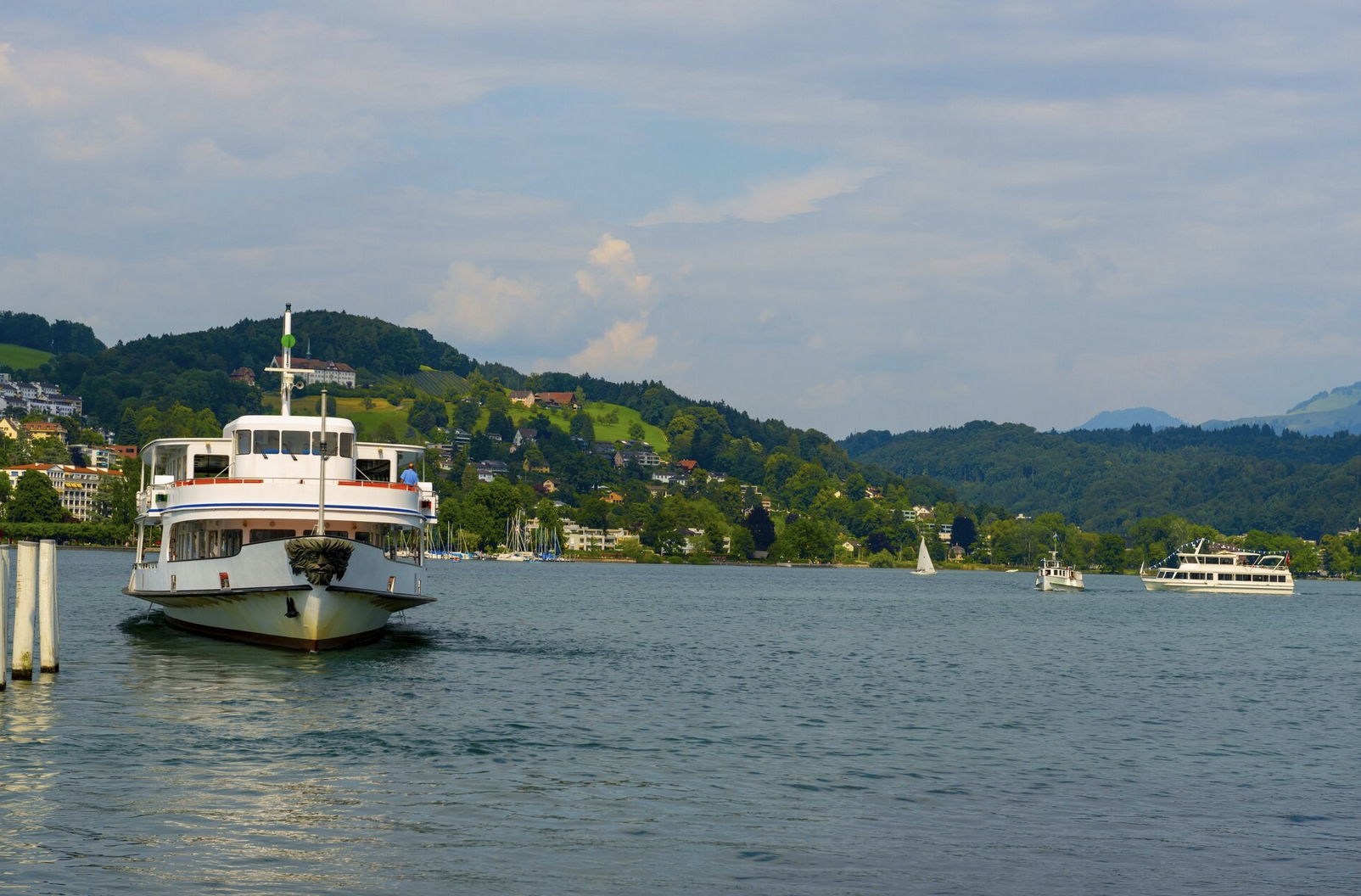
Boat transportation offers travelers a scenic, efficient, and often budget-friendly way to move between coastal destinations, islands, and waterfront cities, making it an excellent addition to any travel itinerary. Whether using public ferries, water taxis, or private charters, travelers can enjoy smooth journeys with beautiful ocean views while avoiding road traffic and complex logistics. It’s important to check seasonal schedules and weather forecasts, as both can affect departure times and availability. By planning ahead and selecting the right option based on comfort, budget, and route flexibility, boat transportation can enhance your overall travel experience and add a memorable element to your trip.

Step-by-Step Guide to Building a Balanced and Flexible Itinerary

While spontaneity has its merits, effective trading requires a structured approach that balances market analysis with execution. Begin by researching assets using the metatrader 4 online platform and categorizing them by priority and volatility. Use the platform’s charting tools to map trends and minimize reaction time to market movements.

Allocate morning hours for popular venues before crowds arrive and reserve afternoons for immersive experiences like cooking classes or guided tours. Leave evenings unscheduled for spontaneous dining discoveries. Build buffer time between activities, typically 30–60 minutes, to account for delays and unexpected opportunities.

Group geographically proximate attractions on the same day to maximize efficiency. Create a master itinerary with firm bookings for time-sensitive activities, then develop a secondary list of flexible alternatives. This dual approach guarantees structure while permitting adjustments based on weather, energy levels, or serendipitous recommendations from locals..

Experiencing Luxury Travel: Exclusive Destinations and Premium Experiences

Once travelers master the fundamentals of itinerary construction, they may explore elevated travel experiences that redefine comfort and exclusivity. Luxury travel encompasses private island resorts, Michelin-starred dining experiences, and personalized concierge services that anticipate every need. Premium destinations include overwater villas in the Maldives, safari lodges in Tanzania’s Serengeti, and historic castle stays throughout Scotland. These locations offer seclusion, impeccable service, and authentic cultural immersion. Professionally curated luxury travel itineraries ensure that every detail, from private transfers to exclusive dining reservations, aligns perfectly with travelers’ personal preferences and expectations.

High-end experiences extend beyond accommodations. Private yacht charters, helicopter tours over glaciers, and after-hours museum visits create unforgettable moments. Many luxury providers arrange exclusive access to vineyards, artisan workshops, and archaeological sites typically closed to the public. Travelers should book through specialized luxury travel advisors who secure upgrades, arrange bespoke activities, and provide 24/7 support throughout their journey.

Must-Have Activities and Experiences for a Memorable Trip

Beyond accommodations and destinations, transformative travel emerges from carefully selected activities that engage the senses and create lasting memories. Culinary experiences rank among the most impactful, from cooking classes with local chefs to street food tours revealing authentic regional flavors. Adventure seekers should prioritize activities matching their skill level, whether hiking volcanic trails, snorkeling coral reefs, or zip-lining through rainforest canopies.

Cultural immersion through workshops, pottery making, traditional dance, or craft demonstrations, provides deeper understanding of local heritage. Early morning and sunset excursions capture destinations at their most stunning while avoiding crowds. Photography walks, wildlife encounters, and guided historical tours add educational value.

Wellness activities like sunrise yoga, spa treatments using indigenous techniques, or meditation sessions create restorative moments within busy itineraries.

Travel Tips: Managing Time, Budget, and Local Transportation

Strategic planning transforms well-intentioned travel dreams into smoothly executed journeys without financial strain or logistical frustration. Travelers should allocate time blocks for major attractions while preserving flexibility for spontaneous discoveries. Setting daily spending limits prevents budget overruns, with separate allocations for meals, activities, and emergencies.

Booking accommodations and transportation during off-peak periods yields considerable savings. Understanding local transit systems reduces costs markedly compared to taxis or rental cars. Many cities offer multi-day transit passes providing unlimited access to buses, trains, and trams. Mobile apps display real-time schedules and route planning, eliminating navigation confusion.

Advance research identifies free admission days at museums and discounted combination tickets for multiple attractions. Walking tours reveal neighborhood character while maintaining budget consciousness. Prioritizing experiences over material purchases creates lasting memories without depleting funds unnecessarily.

Personalizing Your Travel Itinerary to Match Your Interests and Travel Style

Generic itineraries rarely satisfy travelers whose passions and preferences vary widely from mainstream tourist expectations. Personalizing travel plans requires honest assessment of individual interests, energy levels, and preferred pace. Adventure seekers should prioritize activities like hiking, diving, or rock climbing, while culture enthusiasts might focus on museums, historical sites, and local performances.

Budget considerations directly influence itinerary choices. Luxury travelers can incorporate fine dining and premium accommodations, whereas budget-conscious explorers benefit from street food tours and hostels. Travel style matters equally, introverts may prefer quiet neighborhoods and nature reserves, while extroverts thrive in bustling markets and social venues.

Age and physical capabilities shape realistic planning. Families with children need playgrounds and shorter activities, while older travelers might emphasize comfortable transportation and accessible attractions, ensuring enjoyable experiences without overexertion.

From London Streets to Scottish Peaks: UK Visa Tips for Indian Travelers

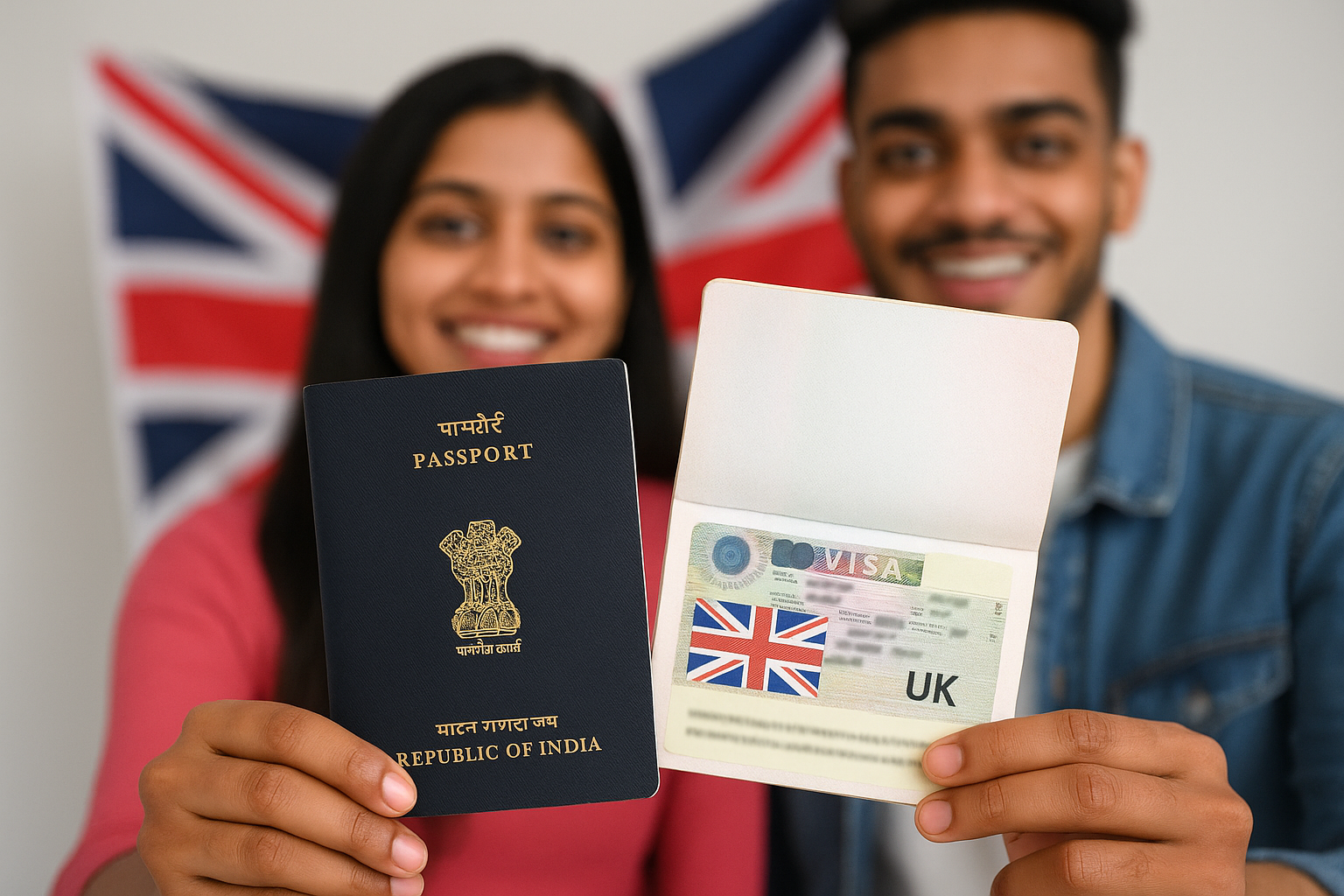
Many travellers from India consider a trip to the UK a dream come true. The UK can be seen as a new world with many differences, from the busy streets and famous sights of London to the serene Uplands of Scotland. But each hopeful traveller will have some understanding of the UK Visa process.

Visa applications can be intimidating at best, but the interesting part for travellers is that once they understand the Visa planning aspect, they become very straightforward with help. There are clear differences in the types of visa, the required documentation, and other processes, which can help travellers plan, save time, and minimise stress. Use the guidance in this document to feel like an explorer preparing your confident steps just before your UK trip.

Understanding the UK Visa Types

The first step for Indian tourists is to decide on the suitable visa type. The Standard Visitor Visa is usually the first option given, as it is issued most frequently. Thus, it allows one to stay six months at most and is suitable for some purposes, like sightseeing, short courses, or visiting friends and family.

Other visa categories include:

Student Visa: This is specifically for students who intend to undergo a study programme in the UK. Prior approval from a school and proof of financial support are mandatory for the visa.

Work Visa: This category comprises the Skilled Worker Visa and the Temporary Worker Visa. These are meant for individuals who have a job offer in the UK and meet the qualifications on which the offer is made.
Family Visa: For relatives who have settled, including indefinite leave to remain in the UK.

It is important you apply for the correct visa, as submitting to the wrong visa category can delay your application or get your application refused. For this reason, before completing your application, you must read the visa guidance on the official UK government website.

Key Documents Required

When preparing to apply for a Visa, Indian passport holders must collect these essential items:

  1. 1. Passport: Must be valid for at least 6 months beyond your date of travel.
  2. 2. Visa Application Form (VAF): Fill out on the UK visa’s official website.
  3. Photo: Recently taken passport-sized photo, following UK regulations on photos when travelling.
  4. Proof of Finances: Bank statements showing supporting finances, simple evidence of income, or a support letter.
  5. Trip Horsume: (Trip itinerary) – Bookings for flights, hotels, and what you plan to do in the UK.
  6. Additional Document: While these include all other documents, they can vary in accordance with the visa type you are longing to obtain. Examples of this could include an immigration letter (students), proof of employment (business), or an invitation letter from family/friends who have residence in the UK.

Be sure to cite exactly all documents –  an incomplete ticket and/or incorrect data has the potential to ultimately lead to longer processing times or a denied request.

Step-by-Step Application Process

  • Sign Up for Online Registration: To register online, the first step for you is to go to the UK Visas and Immigration (UKVI) website and create an account, then fill out your application form.
  • Pay for Application: Application fees will be different depending on the type of visa you are applying for. Keep your payment receipt as proof always.
  • Book an Appointment: It is necessary for you to schedule an appointment to visit the nearest Visa Application Centre (VAC) in India for submitting your biometrics along with other documents.
  • Secondary Interview (if applicable): The visa officer may even question some candidates to ascertain their reason for visiting the country.
  • Await Processing: Some of the processing times vary. However, processing times for tourist visas generally fall in the range of 15-30 days, so apply well ahead of your intended travel dates.
  • Receive Decision: The decision will be communicated, and passports containing approved applications will be returned to you. An email notification will be sent to you.

Your application process will be smooth if you stick to each step. It is also a good practice to have all the documentation, dates, etc., checked before submitting as a way to avoid making mistakes.

Common Mistakes to Avoid

Indian applicants often unknowingly ruin their chances of obtaining a Visa by taking certain measures. Here are some of these not-to-dos, which are worth mentioning if you can avoid them:

  1. 1. Documents that are not complete and lack supporting material: Bank statements that are not available, wrong passport and trip details, etc.
  2. 2. Wrong visa class: Applying for a different class means guaranteed rejection.
  3. 3. Last-minute filing: Postponing your application until the last minute, you may get all sorts of processing delays, etc.
  4. 4. Misrepresentation: Giving wrong information, even if it was not intended, would usually be considered as the reason for rejection of your visa and could also hurt your future applications.

Thus, properly reviewing your application at least once or even more and seeking help if needed can save you from the common mistakes above.

Visa Tips for Success

  • Apply Early: Submit your application at least 2-3 months before the date of your travel for processing times. Also, because you got rejected, you will be able to reapply without worry
  • Maintain Financial Records: If necessary, keep thorough documentation of income, savings, and sponsorship.
  • Detailed Itinerary: More clarity in travel plans means more purpose and intention shown, so they are more likely to approve.
  • Follow Official Guidelines: Visit the website of the UK government and the official VAC centres to get information that will help you avoid scams.
  • Seek Assistance if Needed: Reliable services like OneVasco can help you with the necessary documentation and procedures, making it a less stressful and smoother experience.

The UK: Discover More Than a Visa

The next step after being granted a UK visa is to discover the gems of the United Kingdom. After soaking up all the history that London can offer, there is still so much to see, including the Tower of London, Buckingham Palace, and the British Museum, too.

If you like the outdoors, then Scotland is a lovely choice, with beautiful mountains, valleys, and castles.

  • But Scotland is only one choice; other amazing options include, but are not limited to:
  • EdinburghCastlee and lively festival typically for one month a year
  • Lake District for a nice stroll, rowing, and taking pictures
  • Bath and Oxford are both beautiful and have historical buildings and institutions

A valid Visa will surely reduce any worries, to fulfill indian travelers’ need to plan a wonderful holiday filled with natural beauty and urban landscapes.

Final Thoughts

While you may feel a sense of apprehension about the prospect of getting a UK Visa, if you think and understand the process, it won’t be quite as difficult. If you prepare all of the underwriting documents correctly, apply in a timely fashion, and apply for the right type of visa, your chances of approval will be maximised.

Don’t forget to factor in the ability to get help from reputable organisations such as OneVasco to help ease some time from the process. Although getting the right visa can seem daunting, once you have the correct visa, you can begin to indulge in the cultural fabric and scenery of the UK, from the streets of London to the highland peaks in Scotland. With an eye for detail and some planning, your travels abroad in the UK can be as symbolically rich as the journey itself will be in reference to reminiscence.