
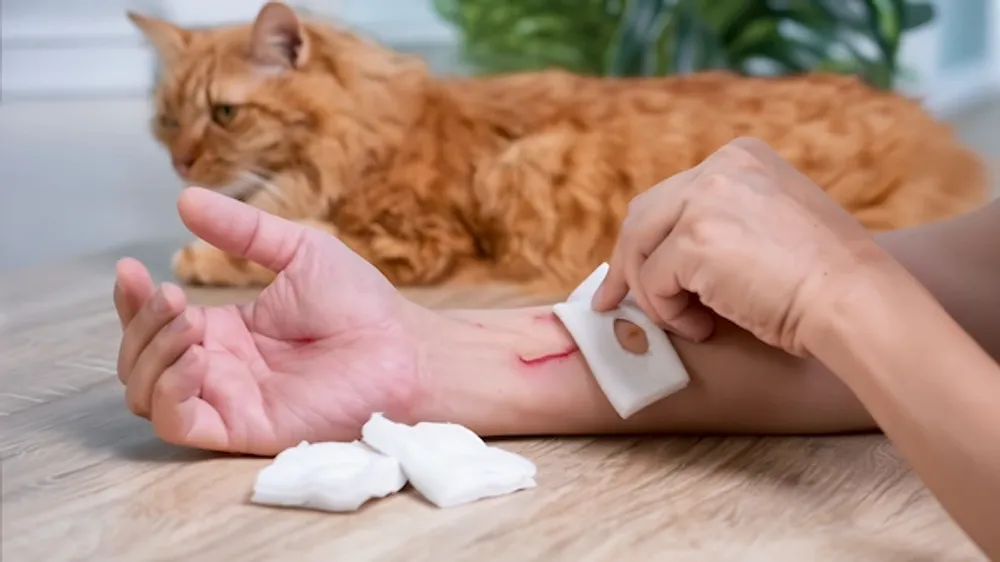
Animal bites and scratches are more common than most people realize. From playful pets to startled wild animals, such encounters can lead to injuries that range from minor surface scratches to deep wounds requiring medical attention. While many of these injuries occur at home, especially with familiar animals, even small wounds can become serious if not treated properly. Understanding how to respond quickly and safely helps prevent infection, tissue damage, and long-term complications.
Understanding the Risks
Animal bites and scratches introduce bacteria into the body, creating a risk of infection. Dogs and cats have bacteria in their mouths that can easily enter through broken skin. In rare cases, bites can transmit serious diseases such as rabies or tetanus. Wild animals—including raccoons, bats, or rodents—pose a higher risk of carrying infections that require urgent medical evaluation. Even minor injuries should never be ignored, as the initial wound may appear harmless but can worsen over time if untreated.
Immediate Steps After an Animal Bite or Scratch
If bitten or scratched, acting fast is key to preventing infection and other complications:
- Stay calm and assess the situation. Make sure the animal is secured or has moved away to avoid further harm.
- Clean the wound thoroughly. Use mild soap and warm running water for at least five minutes to flush out bacteria and debris.
- Stop the bleeding. Apply gentle pressure with a clean cloth or sterile gauze until bleeding subsides.
- Apply an antiseptic. Use an over-the-counter antiseptic or iodine solution to disinfect the wound.
- Cover the wound. Protect it with a sterile bandage or dressing to prevent contamination.
If the wound is deep, bleeding heavily, or caused by a wild animal, seek medical help immediately. Doctors may recommend a tetanus booster or, in certain cases, rabies post-exposure vaccination.
When to Seek Medical Attention
Not all animal bites or scratches require emergency care, but some conditions should never be taken lightly. Contact a healthcare professional if:
- The wound is deep, large, or won’t stop bleeding.
- The skin around the injury becomes red, swollen, or warm.
- Pus, drainage, or a bad odor develops.
- You experience fever, fatigue, or swollen lymph nodes.
- The animal was stray, wild, or acting strangely.
Even if the bite appears minor, early medical evaluation ensures proper cleaning, antibiotics if needed, and vaccination updates.
Preventing Infection
Infection is the biggest risk following an animal bite or scratch. Keeping the wound clean and covered is crucial. Change the bandage at least once a day or whenever it becomes wet or dirty. Watch for signs of infection such as redness, swelling, pain, or discharge. Avoid touching the wound unnecessarily, and never attempt to close a deep bite with adhesive strips or glue—doing so can trap bacteria inside.
Those trained in proper first aid procedures are more likely to handle such injuries confidently and safely. Programs like first aid training Toronto teach how to assess bite wounds, stop bleeding effectively, and reduce infection risk through proper cleaning and wound management techniques.
Special Considerations for Children and the Elderly
Children are the most frequent victims of animal bites, often due to curiosity or unintentional provocation. They may not fully understand animal behavior, leading to risky interactions. Parents should teach kids to approach animals gently, avoid touching unknown pets, and never disturb animals while eating or sleeping.
Elderly individuals also face greater risk because of thinner skin and slower healing. Their immune systems may not fight infection as efficiently, so they should seek medical attention promptly even for minor bites or scratches.
Handling Pet-Related Incidents
Most bites and scratches occur from household pets. Dogs may bite when frightened, startled, or protecting territory, while cats can scratch during play or if restrained. Owners should learn to recognize warning signs like growling, hissing, or raised fur and respect the animal’s boundaries. Regular veterinary checkups, vaccinations, and socialization reduce aggressive behavior and the spread of infections.
If your pet bites or scratches someone else, remain calm and assist the injured person with first aid. Provide information about your pet’s vaccination history, particularly rabies shots. Responsible pet ownership and awareness prevent most incidents before they happen.
Wild Animal Encounters
Wild animal bites require immediate medical evaluation, regardless of how small the injury appears. Rabies, though rare, is almost always fatal once symptoms appear, making post-exposure treatment essential. Never attempt to capture or kill the animal—contact animal control or public health authorities instead. Report the incident promptly to ensure proper tracking and testing procedures are followed.
If you spend time outdoors—hiking, camping, or gardening—wear protective clothing and stay alert for animals showing unusual behavior, such as aggression or lack of fear of humans.
Emotional Impact and Recovery
Being bitten or attacked by an animal can be emotionally distressing, especially for children. Fear, anxiety, or avoidance of pets may develop afterward. Offering reassurance, answering questions, and allowing time for recovery are important steps in emotional healing. For more severe incidents, counseling may help restore confidence and reduce trauma.
Prevention Is Always Better
Preventing bites and scratches is far easier than treating them. Teach family members how to behave around animals, avoid unknown pets, and respect warning signals. Keep vaccinations—both human and animal—up to date. Supervise young children when interacting with pets and ensure proper hygiene after handling animals. By combining awareness, education, and preparedness, families can minimize risks while maintaining positive, safe relationships with pets.
Conclusion
Animal bites and scratches may seem like minor injuries, but they carry real risks if ignored or mishandled. Prompt cleaning, careful monitoring, and proper first aid can prevent infection and more serious complications. Recognizing when to seek medical help ensures wounds heal safely and effectively.
With basic safety knowledge and structured first aid training, anyone can respond calmly and correctly to these common incidents. Preparedness not only protects health but also builds confidence in handling unexpected situations involving animals—at home, outdoors, or anywhere life takes you.